
Windows & Doors
How window and door replacement works, opening by opening.
Find an updated look and a fit that works for your home, from a single failed unit to a whole-house replacement.
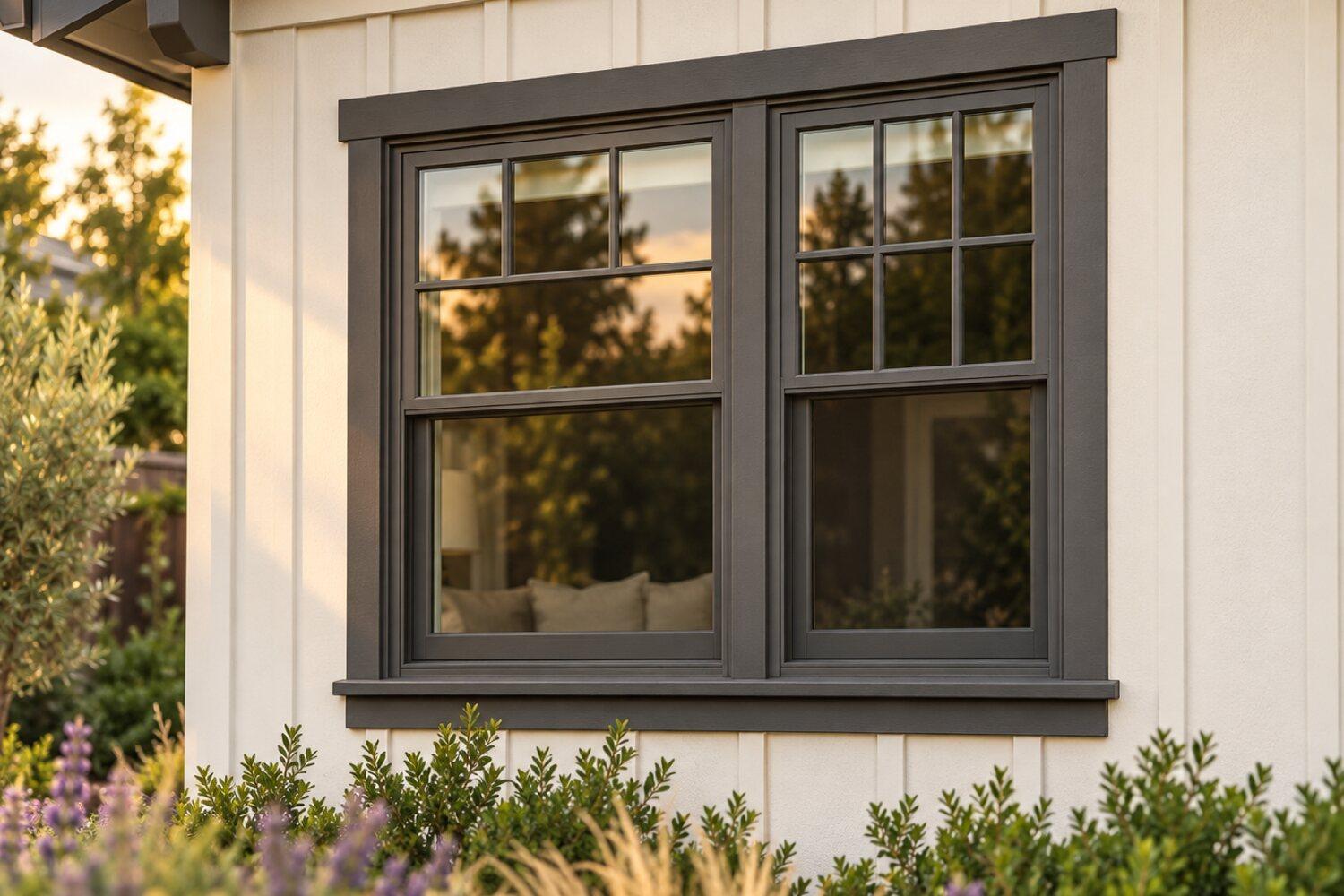
What window and door work involves
Reviewed
Window and exterior door work covers the unit itself and the opening it sits in: the frame, flashing, trim, and seal to the wall. A quality replacement is judged as much by how it is flashed and sealed as by the glass and hardware you touch every day. On Sacramento-area homes the failures come in two kinds. Older wood windows in the central-city and postwar neighborhoods rot at the sill and the lower rail where paint has failed and water sits. Vinyl windows from the 1990s and 2000s tracts fail at the glass seal, showing fog or haze between the panes, and at the frame corners, which can crack after decades of summer heat. A written window scope names each opening, states whether it gets an insert or a full-frame replacement and why, names the product and its energy rating, and says what happens to the exterior trim and the interior finish around it.
Repair, insert, or full-frame?
Windows fail in different ways. A fogged pane, a broken balance, and a rotted frame each call for a different level of work.
Not sure which applies? Tell us what you are seeing and request an estimate for window and door work.
What the scope includes
A complete estimate names the work, materials and exclusions so you can compare proposals.
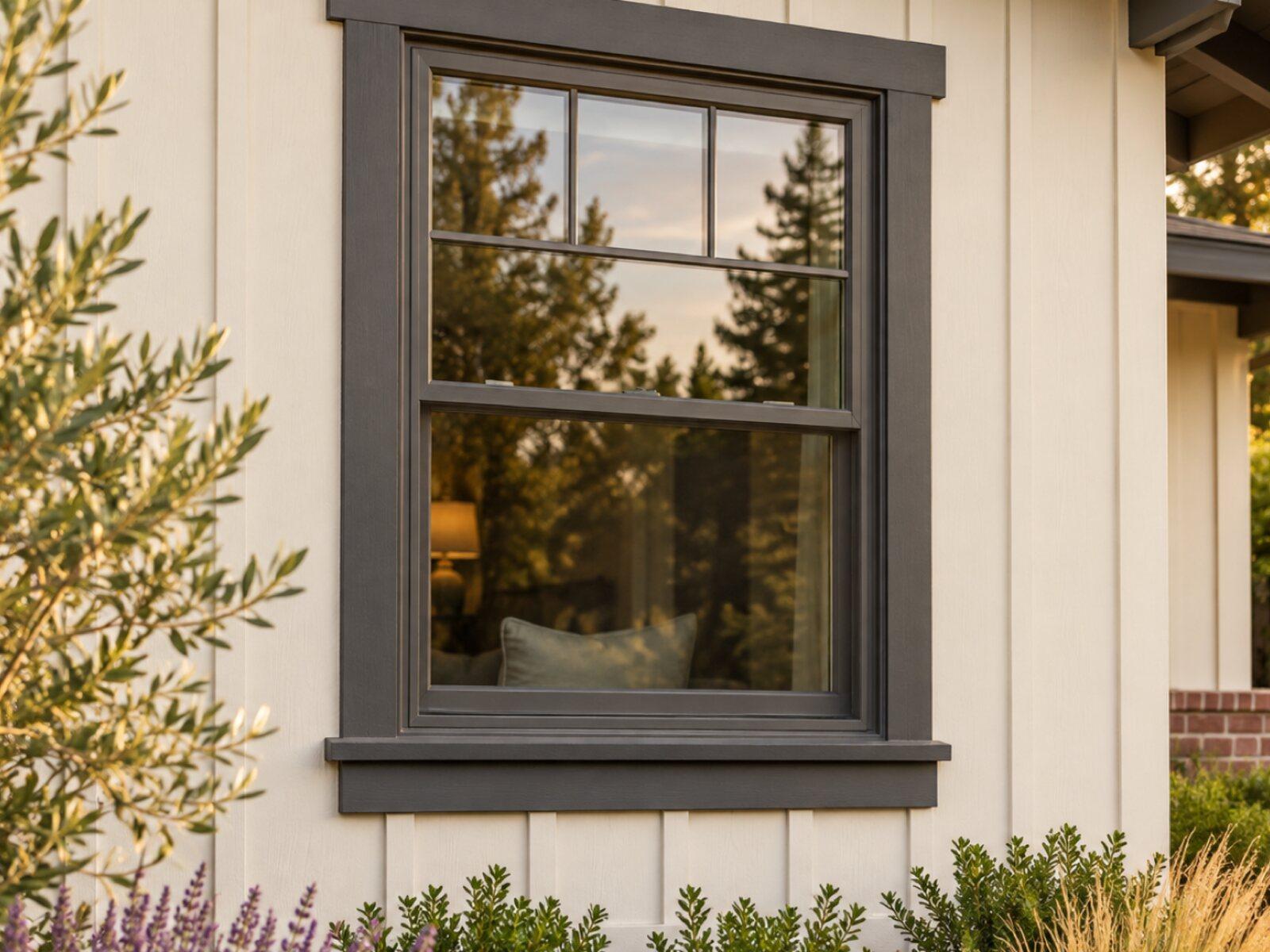
Keep a copy for your site visit or when comparing estimates.
Included in a written scope
- Measurement and confirmation of each opening before ordering
- Removal and disposal of the existing unit
- Flashing and sealing at the rough opening for full-frame work; sealant and insulation for inserts
- Installation, adjustment, and operation check of each unit
- Exterior trim and interior finish as written in the estimate
- Protection of floors and furnishings near each opening and daily cleanup
Clarify before work starts
- Whether interior finish work (stops, drywall touch-up, paint) is included
- How openings with hidden rot are handled and priced
- Lead times for special sizes, colors, or shapes
- Which units are insert and which are full-frame, and why
Insert or full-frame replacement
An insert suits frames that are sound, square, and dry; full-frame suits rot, past leaks, a size change, or a wall being re-sided. Many homes use both, decided opening by opening.
Insert (retrofit) replacement
The new window is set inside the existing frame. Stucco, siding, and interior trim usually stay put, so there is less patching, but the glass area shrinks slightly and the old frame has to be sound and square.
Full-frame replacement
The old unit comes out down to the rough opening, the framed hole in the wall. The framing can be inspected and repaired and new flashing installed, at the cost of patching the stucco or siding and the interior trim around it.
Flashing order
In a full-frame opening the sill is flashed first, then the sides, then the head, each lapped over the one below so water is always led outward. The manufacturer's installation instructions set the materials and sequence.
Choosing per opening
Sound frames with no sign of leaks often suit an insert; rot, staining, or a siding project on the same wall point to full-frame. The insert vs. full-frame guide walks through the trade-offs.
Compare your window options
Choose two options to compare the upkeep, fit and installation details.
| Compare | Vinyl frame | Fiberglass frame |
|---|---|---|
| Appearance | Clean, slightly thicker profiles; limited factory colors | Slimmer profiles; can be painted |
| Maintenance | Washing; no painting | Low; repaint if color is changed |
| Where it fits | Most common replacement choice for local homes | Stable in heat; good for large openings |
| Installation | Insert or full-frame; color and size limits apply | Similar to vinyl; wider range of sizes and shapes |
View all 5 options and planning notes
Vinyl frames are the most common replacement in the region and the least expensive; fiberglass costs more, stays stable in heat, and can be painted; wood and clad wood suit older and design-led homes at the highest price. Installation matters as much as the frame: an insert keeps the old frame and trim and costs less, while a full-frame replacement opens the wall so the rough opening can be flashed properly.
| Option | Appearance | Maintenance | Where it fits | Installation notes |
|---|---|---|---|---|
| Vinyl frame | Clean, slightly thicker profiles; limited factory colors | Washing; no painting | Most common replacement choice for local homes | Insert or full-frame; color and size limits apply |
| Fiberglass frame | Slimmer profiles; can be painted | Low; repaint if color is changed | Stable in heat; good for large openings | Similar to vinyl; wider range of sizes and shapes |
| Wood or clad wood | Traditional interior look; exterior cladding on clad units | Interior finish upkeep; exterior varies by cladding | Historic or design-led homes | Usually full-frame; higher material cost |
| Insert (retrofit) installation | Existing exterior trim stays; slightly smaller glass area | No change to exterior finish | Existing frame must be sound and square | Less disruption; relies on the old frame's flashing |
| Full-frame installation | New trim and full glass area | New exterior seal and trim finish | Frame damage, water intrusion, or a siding project | Opens the wall to flash the rough opening properly |
Energy performance figures come from each product's own label, not from this page. Manufacturer names and warranties appear once 916 Exteriors confirms the products it installs.
What affects window & door replacement cost
Every home is different. These are the factors that move a window and door estimate up or down.
- Number and size of openings
- Larger and specialty shapes cost more to buy and to set.
- Installation method
- Full-frame adds flashing, trim, and finish work over an insert.
- Frame material and glass options
- Fiberglass and wood cost more than vinyl; glass packages add cost.
- Wall type
- Stucco openings take more time to cut, patch, and finish than siding.
- Condition of the opening
- Rot or out-of-square frames add repair before installation.
- Doors
- Entry, patio, and sliding doors are priced per unit and by hardware.
How window and door projects run
What to expect while the work is underway.
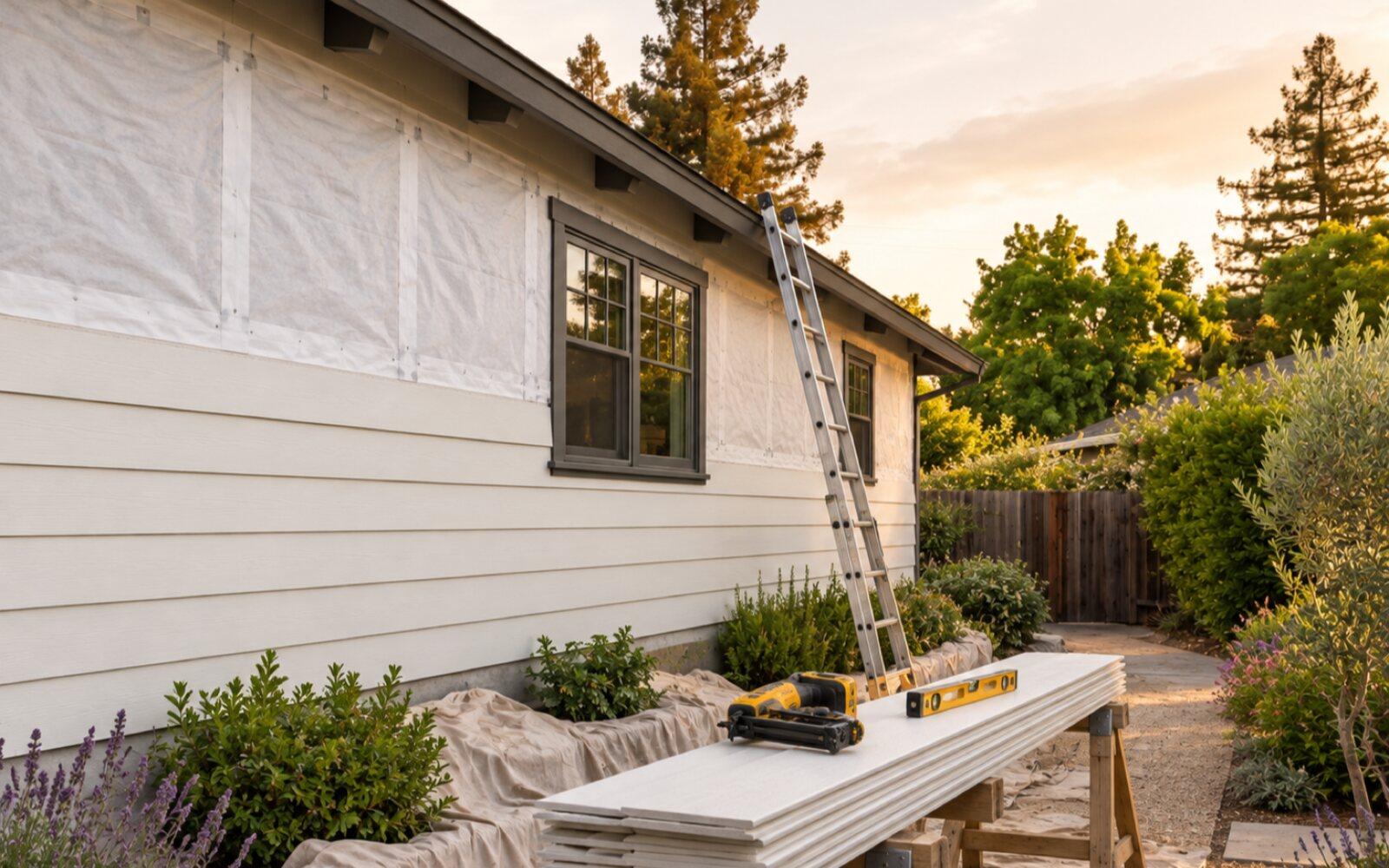
- Each opening is usually removed and replaced in the same day so the house is closed up each evening.
- Interior window coverings and furniture near the opening are moved before work starts.
- Stucco cutting produces dust; protection and cleanup are part of the scope.
Talk through the project
Tell us what you want to repair or update. A few details about the home and what you have noticed are enough to start.
Review the home and options
A site review identifies the work involved, checks the usual trouble spots, and covers the choices that fit your home.
Agree on the scope and schedule
Review what is included, what is not, and how changes are handled before any work is scheduled.
Walk through the result
Review the completed work together, along with the applicable care and warranty information for what was installed.
Questions about your project
Do I need to replace all my windows at once?
No. Many homeowners start with the units that have failed seals or rot and leave sound windows for later. A whole-house replacement is more efficient per opening because the crew, the staging, and the ordering happen once, and it gives the house a consistent look. The estimate can show both a whole-house price and a phased option, with the worst openings first, so you can compare the two.
Will new windows match my existing trim?
With an insert installation the exterior trim stays in place and the new unit sits inside the old frame, so the outside looks the same except for the window itself. With full-frame work the exterior trim comes off and is replaced, which is the chance to match the existing profile or update it. The estimate shows which method is planned for each opening and what trim material and finish go back on.
How do I know if my frames are too damaged for an insert?
Press the sill and the bottom of the side jambs; soft wood means the frame cannot carry an insert. Other signs are staining or bubbled paint on the wall below the window, a sash that binds because the frame is out of square, and daylight at the corners. A site review checks every opening individually, and the estimate names insert or full-frame for each one with the reason.
Do you handle permits?
Window and door replacement generally requires a building permit in Sacramento-area cities (CSLB: do I need a building permit?), and replacement units must meet California's energy code (Title 24, Part 6), which the NFRC label on each window documents. Whether a permit applies to your project, and who pulls it and schedules the inspection, is confirmed and written into the scope before the estimate is finalized. Under California law the licensed contractor, not the homeowner, should pull the permit for work the contractor performs (CSLB on owner-builder responsibility).
Window & door replacement by community
Sacramento County
- Window & door replacement in Sacramento, CA
- Window & door replacement in Folsom, CA
- Window & door replacement in Elk Grove, CA
- Window & door replacement in Citrus Heights, CA
- Window & door replacement in Carmichael, CA
- Window & door replacement in Fair Oaks, CA
- Window & door replacement in Rancho Cordova, CA
- Window & door replacement in Arden-Arcade, CA
Placer County
El Dorado County
Window & door replacement cost guides by city
- Sacramento window replacement cost guide
- Window replacement cost in Roseville: what to budget
- How much does window replacement cost in Rocklin?
- Folsom window replacement cost guide
- Window replacement cost in Elk Grove: what to budget
- How much does window replacement cost in Citrus Heights?
- Carmichael window replacement cost guide
- Window replacement cost in Fair Oaks: what to budget
- How much does window replacement cost in Granite Bay?
- Rancho Cordova window replacement cost guide
- Window replacement cost in El Dorado Hills: what to budget
- How much does window replacement cost in Arden-Arcade?
Tell us about your window and door project.
Share what you are noticing and what you want to change. We'll review the details and contact you about the next step.
No budget, address, or photos needed to inquire.