
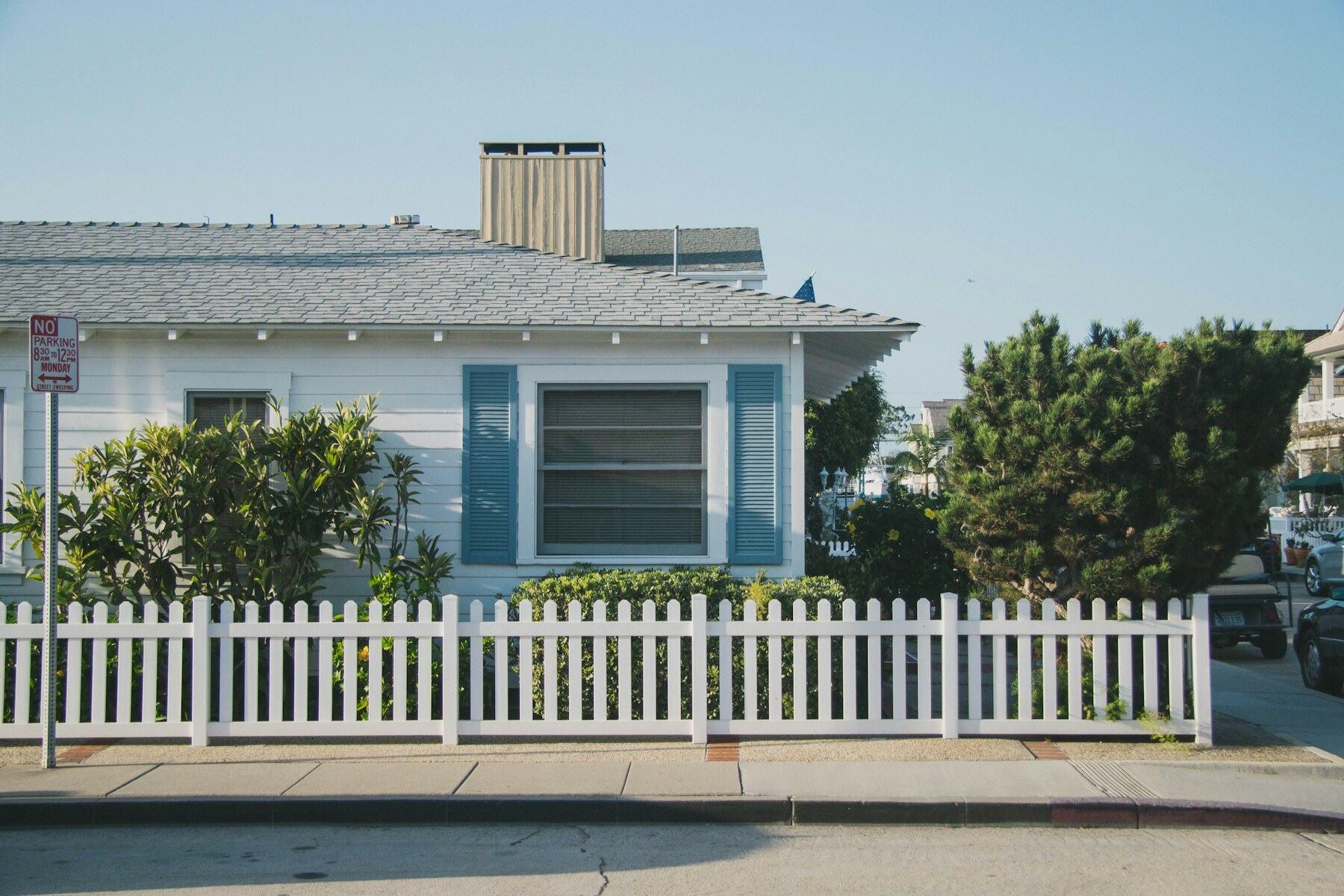
 Placeholder
Siding replacement and repair in the Sacramento area.
Compare options for the worn or damaged siding on your home, from the visible finish to the preparation behind it.
 Placeholder
What siding work involves
Reviewed
Siding is the weather layer on your exterior walls. The visible boards or panels sit over a water-resistive barrier, flashing, and trim that together keep water out of the wall. Good siding work is as much about that layer underneath as the finish you see from the street. On Sacramento-area homes, siding fails first in three places: the bottom course near soil or concrete, where splash-back and wicking keep the wood damp; under and around windows, where a missing drip cap or failed caulk lets water behind the finish; and on south- and west-facing walls, where the summer sun breaks down paint and lets the material underneath dry out and crack. A written siding scope names the material and profile, what happens at every window and corner, whether the barrier and flashing are being replaced, and how hidden sheathing damage is priced once the wall is open.
Is repair enough?
Not every worn wall needs new siding. What matters is how far the damage goes and whether the layer behind it is still doing its job.
Repair usually fits when
- Damage is limited to a few boards or one area, such as around a hose bib or below a leaky gutter.
- The existing material is still sound and a matching product is available.
- Paint failure is cosmetic and the wood underneath is dry and solid.
Replacement usually fits when
- Soft, swollen, or crumbling sections appear on several walls, especially near the ground and under windows.
- The material is discontinued, brittle, or has failed in a way that will keep spreading.
- You want to change the look of the home rather than patch it.
Not sure which applies? A site review answers this before any estimate is written. Request a site review.
A completed siding project
The scope, the decisions, and what changed.
Placeholder- City
- Sacramento
- Work
- Siding, Windows & Doors, Painting
- Starting problem
- Paint was peeling on the south wall and the homeowner had found soft wood under two window sills. They wanted to know whether the whole house needed new siding or only the damaged section.
Sample Illustrative project to show the layout. Replaced by documented 916 work before launch.
Compare your siding options
Fiber cement is the most common replacement choice on Sacramento-area homes because it holds paint, resists sun and insects, and takes a lap or panel profile; it costs more than vinyl and needs careful flashing. Engineered wood is lighter and cheaper to install with a similar look. Vinyl is the lowest-cost option but moves with heat. Stucco is repaired rather than replaced, and natural wood is the choice for matching an older home.
| Option | Appearance | Maintenance | Where it fits | Installation notes |
|---|---|---|---|---|
| Fiber cement lap or panel | Wood-like boards, smooth or textured; holds paint well | Periodic repainting and caulk checks | Suits most stud-framed homes; heavy, needs proper flashing | Cut with dust control; clearances and flashing matter |
| Engineered wood | Wood grain look with fewer natural defects | Repainting on the finish schedule; keep edges sealed | Good for lap and trim; keep away from ground contact | Lighter than fiber cement; follows maker's nailing and gap rules |
| Vinyl | Factory color, visible panel joints and profiles | Washing; no painting in most cases | Expands with heat; needs room to move in Sacramento summers | Hung loose on the wall; trim and J-channel details show |
| Stucco (repair or recoat) | Continuous plaster finish common on local homes | Crack repair and recoating over time | Existing stucco homes; moisture and cracking need diagnosis first | Patching, lath repair, and finish coats matched to existing texture |
| Natural wood | Real grain, can be stained or painted | Most frequent finish upkeep of the group | Best where it stays dry and can be maintained | Species, grade, and back-priming affect longevity |
General characteristics only; specific product performance comes from the manufacturer's own documentation. Manufacturer names and warranties appear once 916 Exteriors confirms the products it installs.
What a siding scope includes
A complete estimate names each of these. Use the list to compare any proposal you receive.
Included in a written scope
- Removal and disposal of the existing siding where replacement is planned
- Inspection of sheathing and framing once walls are open, with any repairs written as a separate line
- Water-resistive barrier, flashing at windows, doors, and penetrations
- New siding and trim installed to the product's published instructions
- Caulking, priming, and finish paint where the product needs it
- Site protection during work and cleanup at the end of each day
Clarified before work starts
- Whether hidden damage is priced up front or as it is found
- Which trim, corners, and transitions are replaced versus reused
- Whether painting is part of this scope or a separate one
- How a change in material or color after the estimate is handled
What affects siding cost
Every home is different. These are the factors that move a siding estimate up or down.
- Wall area and height
- Two-story walls and gables add labor, staging, and safety time.
- Existing condition
- Rot, failed sheathing, or old layers that must come off change the work.
- Material and profile
- Product, board width, and trim details set both material and labor cost.
- Openings and details
- Windows, doors, vents, and corners take more time than open wall.
- Access
- Tight side yards, landscaping, and slopes affect staging and protection.
- Paint scope
- Factory-finished versus field-painted material changes the finish cost.
How a siding project runs
What to expect while the work is underway.
- Expect noise from cutting and nailing during working hours.
- Landscaping and fixtures near the walls are protected or moved before work starts.
- Walls are opened and closed in sections so the house is not left exposed overnight.
Talk through the project
Tell us what you want to repair or update. A few details about the home and what you have noticed are enough to start.
Review the home and options
A site review identifies the work involved, checks the usual trouble spots, and covers the choices that fit your home.
Agree on the scope and schedule
Review what is included, what is not, and how changes are handled before any work is scheduled.
Walk through the result
Review the completed work together, along with the applicable care and warranty information for what was installed.
Questions about your project
Can you match my existing siding for a repair?
Often, yes. Common lap profiles in fiber cement and engineered wood are still made in the same exposures, and a repair can be blended into an existing wall with matching reveal and paint. When the original product is discontinued, as many 1970s and 1980s panel sidings are, the estimate names the nearest match and places the transition at a corner, a trim line, or a full wall so the change reads as intentional rather than patched.
Do you check for dry rot before the estimate?
Yes. A site review probes the usual spots with a screwdriver: the bottom course, window sills and the trim below them, corner boards, and any wall under a gutter that has overflowed. Soft or crumbling wood is noted and priced. What cannot be seen until the siding comes off, such as damaged sheathing or framing, is written into the scope as a separate per-sheet or per-foot item so it is not a surprise once the wall is open.
Does new siding include painting?
It depends on the product. Some fiber cement and engineered wood arrive with a factory finish and need only caulk and touch-up; primed products need two finish coats on site; natural wood needs priming and paint. The estimate says which applies, whether paint is part of this scope or quoted separately, and whether the trim and the body are being finished together.
Will the work affect my windows?
Siding and window trim meet at the flashing, which is where most water gets into a wall. When the siding comes off, the head flashing and the sill pan at each window are exposed and either confirmed or replaced. If your windows are near replacement anyway, doing both in one project means the rough openings are flashed once, correctly, instead of opening the same wall twice a few years apart.
Tell us about your siding project.
Share what you are noticing and what you want to change. We'll review the details and contact you about the next step.
Request an Estimate
Submitting the form does not book an appointment.