
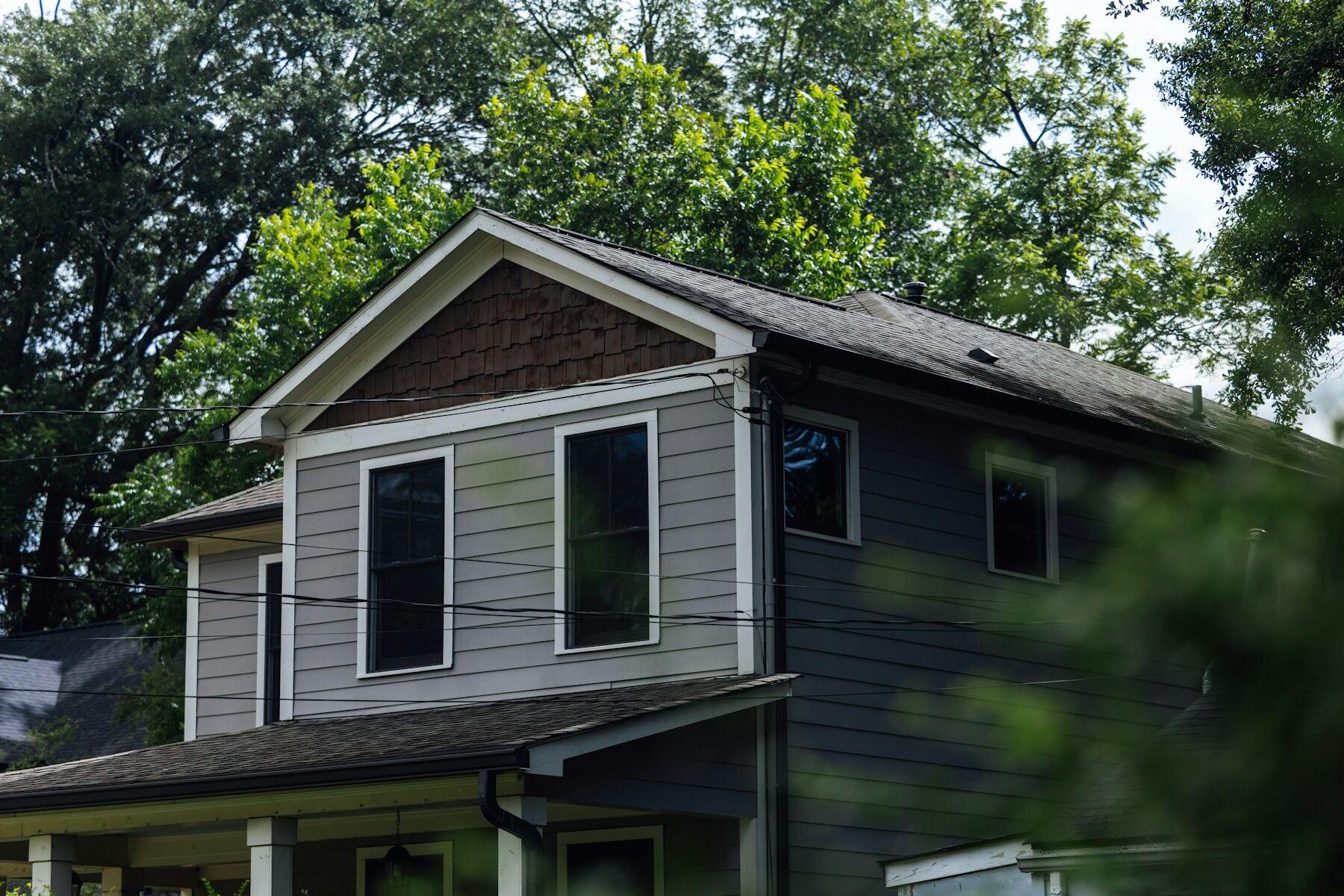
 Placeholder
Dry rot and trim repair in the Sacramento area.
Address damaged wood and understand the work around it, from a single fascia board to the trim, siding, and flashing that let water in.
 Placeholder
What dry rot & trim work involves
Reviewed
Dry rot is wood decay caused by fungus that needs moisture to grow. It shows up where water sits or gets behind a finish: window sills, trim bottoms, fascia under a failed gutter, deck ledgers, and siding near the ground. Repair replaces the damaged wood and, just as important, fixes the water path that caused it. On Sacramento-area homes, rot has two seasons: it starts in the wet months when trim stays damp under tree shade or behind a leaking gutter, and it advances through the dry months behind paint that looks fine from the street, because the wood inside never fully dries. The first visible sign is often paint that bubbles or cracks along a joint, or a sill that gives when pressed. A written repair scope maps the damaged pieces, states what each one is replaced with, names the flashing or sealing change that stops the water, and says how damage found behind the visible piece is priced and approved.
Repair the board or fix the cause?
Replacing a rotted board without stopping the water means replacing it again. Every repair starts with finding where the moisture came from.
Repair usually fits when
- Damage is contained to a trim piece, sill, or fascia section and the surrounding wood is dry and sound.
- The water source is obvious and easily corrected, such as a missing drip cap or failed caulk.
- You want to address a known spot before painting or selling.
Replacement usually fits when
- Rot extends into sheathing, framing, or across multiple trim pieces.
- The source is a flashing or siding problem that needs a larger opening to correct.
- Repairs keep reappearing in the same areas.
Not sure which applies? A site review answers this before any estimate is written. Request a site review.
A completed dry rot & trim project
The scope, the decisions, and what changed.
Placeholder- City
- Sacramento
- Work
- Gutters, Dry Rot & Trim
- Starting problem
- Water was overflowing at a gutter seam and running down the siding. The fascia behind it was soft for several feet, and a downspout discharged directly against the foundation.
Sample Illustrative project to show the layout. Replaced by documented 916 work before launch.
Compare repair materials
Primed finger-joint wood is the usual replacement for painted trim because it matches existing profiles and takes paint well; fiber cement trim costs more and resists rot and insects on the most exposed pieces; cellular PVC is the choice where wood touches the ground or stays wet. Epoxy consolidation saves a historic profile with limited damage, but only after the water source is fixed. None of them stays dry without correct flashing.
| Option | Appearance | Maintenance | Where it fits | Installation notes |
|---|---|---|---|---|
| Primed finger-joint wood trim | Smooth, paint-grade profile that matches most existing trim | Repaint on the normal cycle; keep end cuts sealed | Most trim and fascia replacements | Back-prime and seal cuts; keep off the ground |
| Fiber cement trim | Smooth or wood-grain; holds paint | Repaint; resists rot and insects | High-exposure trim, corner boards, and fascia | Heavier; requires proper fasteners and gaps |
| Cellular PVC trim | White, smooth; can be painted light colors | Very low; expands with heat | Ground contact and constant-wet locations | Needs expansion gaps and compatible adhesives |
| Epoxy consolidation | Original piece retained and filled | Paint; inspect for movement | Historic or hard-to-match profiles with limited damage | Only when the remaining wood is stable and the source is fixed |
Which material is proposed for each location is written in the estimate, along with the flashing or sealing change that stops the water.
What a dry rot & trim scope includes
A complete estimate names each of these. Use the list to compare any proposal you receive.
Included in a written scope
- Probing and mapping of visible damage around the affected area
- Removal of decayed wood back to sound material
- Correction of the water path: flashing, drip caps, caulk joints, or grading, as identified
- New material installed, primed, and sealed at cuts and joints
- Finish paint on repaired areas where included, matched to existing color
- Protection and cleanup
Clarified before work starts
- How damage that extends past the visible area is priced once opened
- Whether paint on the repaired area is a match-in or a full section repaint
- Which flashing or siding changes are part of the repair
- Whether a pest inspection or report is involved
What affects dry rot & trim cost
Every home is different. These are the factors that move a dry rot & trim estimate up or down.
- Extent of decay
- Trim-only repairs are quick; rot into sheathing or framing adds structure work.
- Location and height
- Fascia at a two-story eave costs more to reach than a first-floor sill.
- Water source correction
- Fixing flashing or siding around the damage is often the larger part of the job.
- Material
- Wood, fiber cement, and PVC trim differ in cost and finish.
- Finish scope
- Blending paint on a repair versus repainting a section.
- Number of locations
- Several small repairs across a house add setup time.
How a dry rot & trim project runs
What to expect while the work is underway.
- Repairs are usually localized and finish in a day or two.
- Areas opened for inspection are closed and weathertight before the crew leaves.
- Paint blending is scheduled once the repair has cured.
Talk through the project
Tell us what you want to repair or update. A few details about the home and what you have noticed are enough to start.
Review the home and options
A site review identifies the work involved, checks the usual trouble spots, and covers the choices that fit your home.
Agree on the scope and schedule
Review what is included, what is not, and how changes are handled before any work is scheduled.
Walk through the result
Review the completed work together, along with the applicable care and warranty information for what was installed.
Questions about your project
How do I know if it is dry rot or just peeling paint?
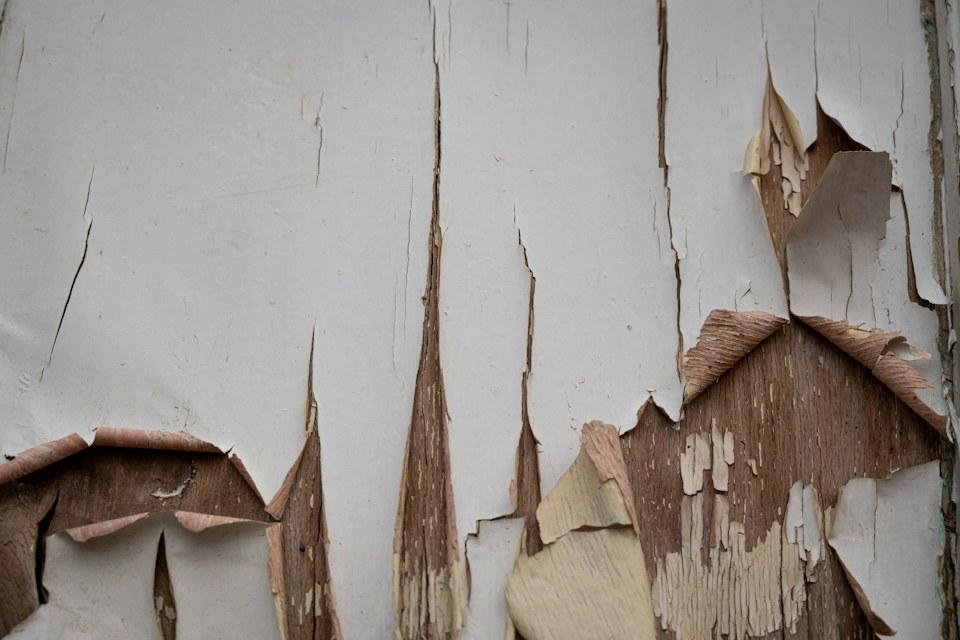
Press the wood with a screwdriver or an awl. Sound wood resists and the tool skates; rotted wood is soft, spongy, or crumbles, and the tool sinks in. Peeling paint over hard wood is a paint problem. Peeling paint over soft wood, or paint that has bubbled along a joint, is usually rot underneath. A site review probes the usual spots: sills, the bottom of trim and corner boards, fascia behind gutters, and siding near the ground, and notes each finding.
Can rot be treated instead of replaced?
Sometimes, on a stable piece with limited damage and a profile worth saving, such as an original window sill on an older home. The decayed wood is removed back to sound material, the remaining wood is hardened and filled with a two-part epoxy, and the piece is primed and painted. It only works after the water source is fixed. For ordinary trim and fascia, replacement with new primed material is faster, cheaper, and more reliable than consolidation.
Will you find more damage once you start?
Often, because rot travels along the grain and behind the finish, so the visible soft spot is usually smaller than the damage. The estimate prices the visible repair and states a unit rate for what is found once the piece comes off, such as per foot of fascia or per sheet of sheathing. Additional damage is photographed, measured, and approved by you before more wood is removed, so the scope grows in writing rather than as a surprise on the invoice.
Is this related to termites?
Rot and insect damage can look alike and often occur together, because both need moisture. Rot leaves wood soft and crumbly along the grain; termites and carpenter ants leave galleries, frass, or mud tubes. If there are any signs of insects, a licensed wood-destroying organism inspection is recommended before the repair, since treatment is a separate trade and, in California, a separately licensed one.
Tell us about your dry rot & trim project.
Share what you are noticing and what you want to change. We'll review the details and contact you about the next step.
Request an Estimate
Submitting the form does not book an appointment.