
 Placeholder
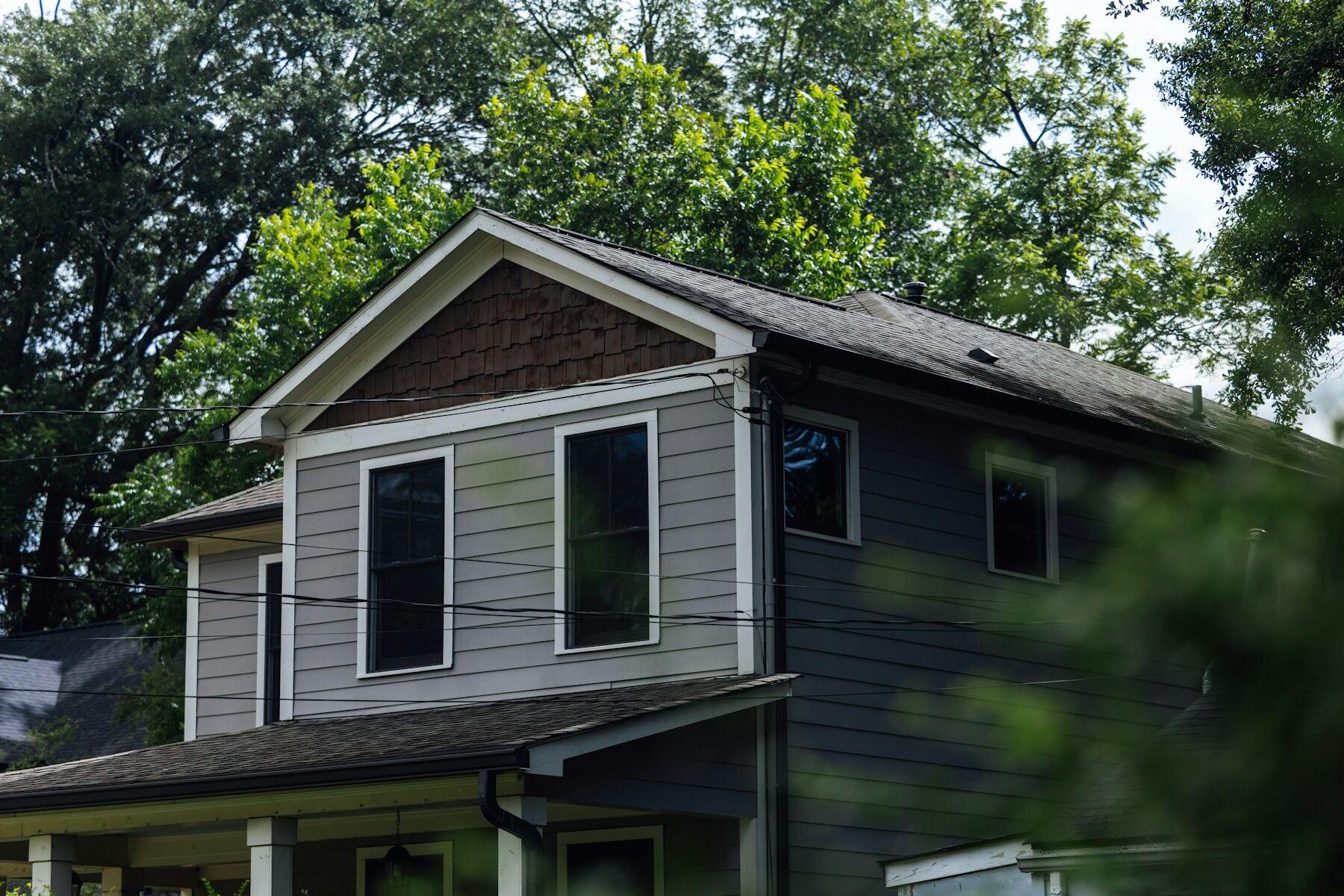
Gutters and gutter guards in the Sacramento area.
Plan how rainwater moves from the roof and away from the home, with gutters sized and pitched for your roof and downspouts that discharge where they should.
 Placeholder
What gutters work involves
Reviewed
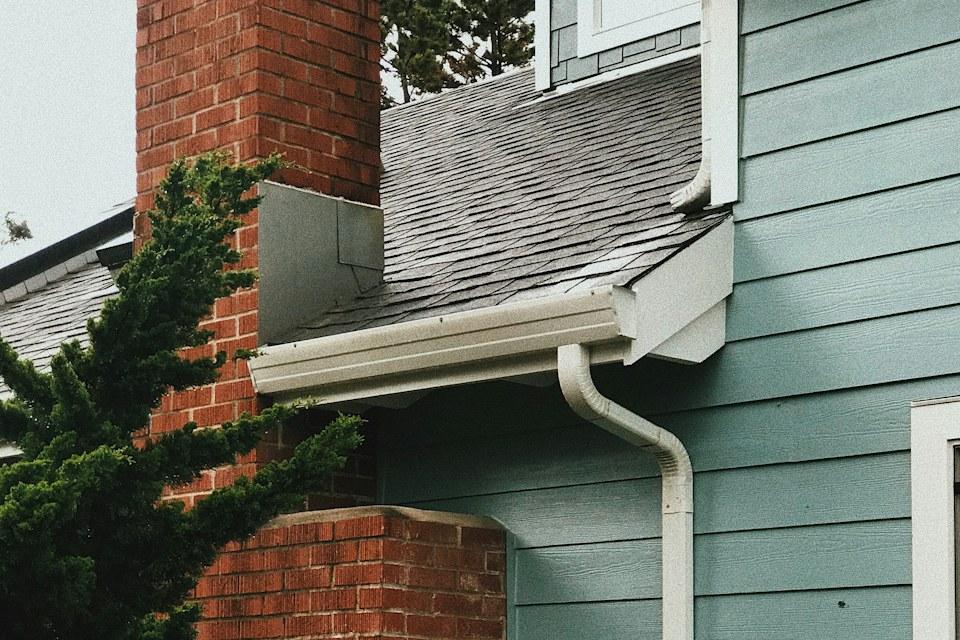
Gutters collect water at the roof edge and downspouts carry it away from the foundation. When they are undersized, poorly pitched, or clogged, water ends up on siding, in the fascia, and against the foundation. Guards reduce how often gutters need cleaning; they do not eliminate maintenance. Sacramento's rain arrives almost entirely between November and March, often in a few heavy storms, so a gutter system that seems fine all summer is tested hard for a few weeks a year. The common failures on local homes are sectional gutters leaking at every seam, hangers pulling out of fascia that has gone soft, outlets clogged by oak leaves and pine needles, and downspouts that dump water at the foundation instead of away from it. A written gutter scope names the gutter size and material, the number and placement of downspouts, where each one discharges, what happens to damaged fascia, and which guard is being installed and how it is cleaned.
Repair, reseal, or replace?
Gutters fail at seams, hangers, and outlets before the runs themselves wear out. The fix depends on where the problem is.
Repair usually fits when
- A single seam, hanger, or downspout joint is leaking or loose.
- The gutters are the right size and pitch and the fascia behind them is solid.
- Overflow is caused by debris, not capacity.
Replacement usually fits when
- Sectional gutters leak at multiple seams or have pulled away from the fascia.
- Runs are undersized for the roof area or pitched wrong so water pools.
- Fascia is rotted and needs repair before new gutters can be hung.
Not sure which applies? A site review answers this before any estimate is written. Request a site review.
A completed gutters project
The scope, the decisions, and what changed.
Placeholder- City
- Sacramento
- Work
- Gutters, Dry Rot & Trim
- Starting problem
- Water was overflowing at a gutter seam and running down the siding. The fascia behind it was soft for several feet, and a downspout discharged directly against the foundation.
Sample Illustrative project to show the layout. Replaced by documented 916 work before launch.
Compare gutters and guards
Seamless aluminum, formed on site to the exact run length, is the standard replacement gutter in the region and the best value; steel and copper cost more and suit specific homes. Among guards, micro-mesh keeps out needles and seeds and is the usual choice under oak and pine, perforated screens are cheapest and pass small debris, and reverse-curve hoods can overshoot in the heavy winter storms that Sacramento gets.
| Option | Appearance | Maintenance | Where it fits | Installation notes |
|---|---|---|---|---|
| Seamless aluminum gutters | Continuous runs; many baked-on colors | Cleaning; check outlets and hangers | Most homes; 5-inch or 6-inch profile sized to the roof | Formed on site to exact length; hidden hangers |
| Steel or copper gutters | Heavier profile; copper weathers to a patina | Similar cleaning; copper needs compatible fasteners | Design-led homes or heavy-debris settings | Higher material cost; specialty fabrication |
| Micro-mesh guards | Low-profile screen that follows the gutter | Occasional brushing; fine debris can film the mesh | Trees with needles, seeds, and small leaves | Fastened to the gutter and tucked under shingles or to fascia |
| Perforated or screen guards | Visible panel over the gutter | Larger openings pass small debris; periodic clearing | Broad-leaf trees | Simplest to install and remove |
| Reverse-curve guards | Solid hood with a slot at the front | Can overshoot in heavy rain; slot needs clearing | Moderate debris, gentler roof pitches | Usually tied to the roof edge; check roofing warranty terms |
Guard performance depends on the trees over the roof and the roof pitch; no guard makes a gutter maintenance-free.
What a gutters scope includes
A complete estimate names each of these. Use the list to compare any proposal you receive.
Included in a written scope
- Removal and disposal of existing gutters and downspouts where replacement is planned
- Inspection of fascia, with repair or replacement written as its own line
- Seamless gutters formed on site, pitched to outlets, and hung on hidden hangers
- Downspouts placed for drainage, with extensions or splash blocks where water must be moved from the foundation
- Guards installed as specified, if selected
- Cleanup and removal of old material
Clarified before work starts
- How many downspouts and where each one discharges
- Whether fascia repair or painting is included
- Which guard style is quoted and how it is cleaned
- Whether underground drains are part of the scope
What affects gutters cost
Every home is different. These are the factors that move a gutters estimate up or down.
- Linear feet and corners
- Total run length plus miters and end caps set the base cost.
- Gutter size and material
- 6-inch profiles and non-aluminum materials cost more.
- Downspouts and extensions
- Count, height, and drainage routing add labor and parts.
- Fascia condition
- Rotted or damaged fascia is repaired before gutters are hung.
- Guards
- Guard type and roof edge details change the price per foot.
- Roof height and access
- Two-story eaves and steep sites need more staging.
How a gutters project runs
What to expect while the work is underway.
- Most gutter jobs finish in a day or two with limited noise.
- Downspout locations are confirmed with you before they are set.
- Old material is removed the same day.
Talk through the project
Tell us what you want to repair or update. A few details about the home and what you have noticed are enough to start.
Review the home and options
A site review identifies the work involved, checks the usual trouble spots, and covers the choices that fit your home.
Agree on the scope and schedule
Review what is included, what is not, and how changes are handled before any work is scheduled.
Walk through the result
Review the completed work together, along with the applicable care and warranty information for what was installed.
Questions about your project
Do gutter guards mean I never clean my gutters?
No. Guards cut how much debris gets into the gutter and how often it needs clearing, but pollen, seeds, and fine grit still settle on and through any guard, and the outlets still need checking before the first fall storm. Micro-mesh under heavy tree cover might go from clearing four times a year to once; a screen might halve it. The estimate names the guard and the maintenance it still needs so the expectation is honest.
Should gutters be replaced when I get a new roof?
If they are sectional, sagging, leaking at seams, or hanging from soft fascia, yes. A reroof replaces the drip edge at every eave, which means the gutters come off or get worked around anyway; replacing them in the same project lets the fascia be repaired and the drip edge and gutter be set together. Sound seamless gutters can be left in place and protected. It is quoted as a separate option beside the roofing scope so you can see the cost of doing both.
Where should downspouts discharge?
Away from the foundation, at least a few feet, onto splash blocks, extensions, or into an existing yard drain. A downspout that dumps at the base of the wall soaks the soil against the foundation and, on wood-sided homes, splashes the bottom course of siding every storm. A gutter scope lists each downspout, where it discharges, and any extension or drain connection included; outlets that currently dump at the house are relocated as part of the plan.
What size gutter does my house need?
It depends on the roof area draining to each run and the pitch. Most Sacramento-area homes use a 5-inch K-style profile with a downspout every 30 to 40 feet of run; large roof planes, steep pitches that shed water fast, or long runs with a single outlet call for 6-inch gutters, larger downspouts, or an extra outlet. The estimate states the size and downspout count per run and why.
Tell us about your gutters project.
Share what you are noticing and what you want to change. We'll review the details and contact you about the next step.
Request an Estimate
Submitting the form does not book an appointment.