
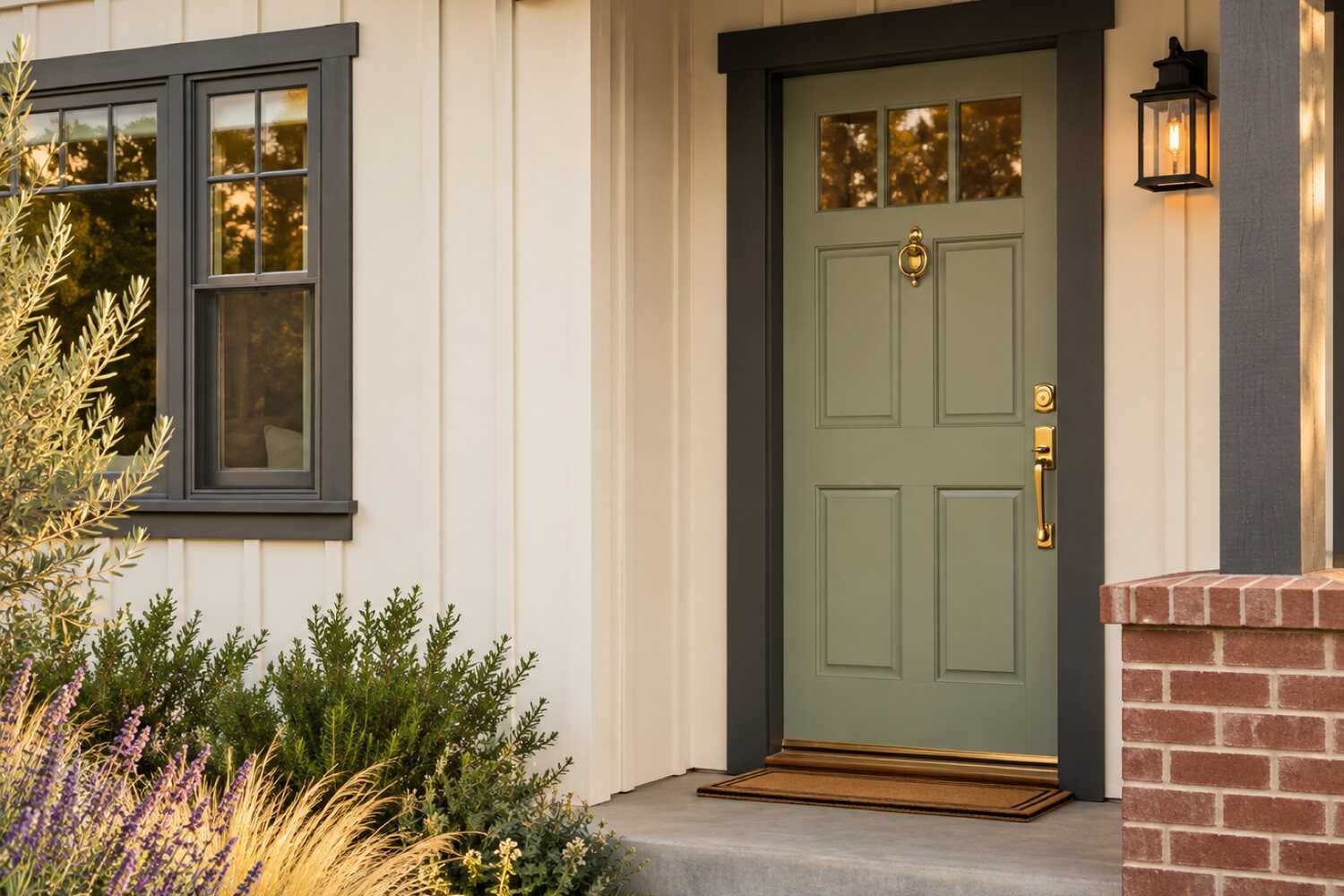
Exterior painting in Folsom, CA.
Folsom painting projects should be planned from the actual substrate, existing coatings and access. A wood-sided lake-area home and a stucco property in Broadstone can require different preparation, but neither location sets the repaint cycle. Check repairs and any association colors before choosing the finish system.
What exterior painting costs in Folsom
Published figures put exterior painting in Folsom at $1,700–$3,700 on homeyou's Folsom headline and $4,064–$7,266 for its 1,700-square-foot example; HomeBlue's Sacramento model runs $3,600–$8,700 for a 2,500-square-foot house. Foam-trim joint repair on the 1990s stucco tracts, rot found under 1980s wood siding and HOA color submittals move the number.
| Scope | Published range | What it usually includes |
|---|---|---|
| homeyou Folsom exterior-painting headline | $1,700–$3,700; published average about $2,600 | The page’s headline figures. They are not specifically a partial repaint, trim-only job or sun-side-wall project; the publisher does not define that scope from the total. |
| homeyou Folsom detailed quantity example | $4,064–$7,266 for about 1,700 sq ft | A separate calculation on the same page at roughly $3–$5 per square foot. Clarify the area definition and included work before treating it as a single-story home or complete preparation package. |
| HomeBlue Sacramento house-size example | $3,600–$8,700 for a 2,500 sq ft house | HomeBlue’s exterior-painting model, with a separately stated $1.50–$3.50 rate. This is not a verified two-story heavy-prep rate, and floor area should not be substituted for painted wall area. |
Ranges are published third-party figures, not 916 Exteriors prices; the written estimate is the only number that applies to your home.
How to compare these ranges
The first two rows are different figures on the same Folsom calculator page; the gap between them is not a partial-versus-full split. The HomeBlue example uses its own house-size model.
On a Broadstone stucco home, inspect cracks, foam joints and any damaged backing before setting preparation allowances. Wood siding and taller hillside walls require their own access and coating assessment.
Name the body, trim, doors and other surfaces, plus primer and finish coats. Confirm any association palette and applicable lead-safe practices, then compare the same measured and inspected scope across contractors.
Read next: How much does exterior painting cost in Folsom?
What changes the price in Folsom
- Two-story and hillside walls
- Empire Ranch two-stories and the canyon homes with downhill walls need staging or a lift, which adds a day and equipment.
- Foam trim joint repair
- The 1990s–2000s tracts have hundreds of feet of foam trim with split joints; resealing each one is labor the builder's paint never needed.
- Rot found during prep
- Wood-sided homes in Lexington Hills, Willow Creek Estates, and the canyon carry sills, corner boards, and fascia that are priced per piece once the scrape exposes them.
- HOA color submittal
- Broadstone, Empire Ranch, and Folsom Ranch review colors; sample patches and the approval cycle are scheduled into the job.
- Lead-safe prep on pre-1978 homes
- Historic District and postwar homes add EPA RRP containment, cleanup, and documentation.
- Coating type
- Elastomeric on heavily cracked stucco and solid stain on rough cedar cost more per gallon and go on differently than standard acrylic.
Compare your finish options
Choose two options to compare the upkeep, fit and installation details.
| Compare | Acrylic exterior paint (flat or low sheen) | Acrylic exterior paint (satin or semi-gloss) |
|---|---|---|
| Appearance | Soft finish that hides surface texture | More light reflection; shows detail |
| Maintenance | Repaint on a normal cycle; touch-ups blend well | Easier to wash; shows surface flaws |
| Where it fits | Stucco and body siding | Trim, doors, and fascia |
| Installation | Brush, roll, or spray with back-rolling | Careful prep since sheen reveals texture |
View all 4 options and planning notes
Most Sacramento-area repaints use 100 percent acrylic exterior paint: a flat or low-sheen finish on the body, which hides stucco and siding texture, and a satin or semi-gloss on trim, doors, and fascia, which washes clean and shows the detail. Elastomeric coatings suit stucco with hairline cracking but not wood. Solid stain is the choice for rough-sawn wood siding and fences where a film would peel.
| Option | Appearance | Maintenance | Where it fits | Installation notes |
|---|---|---|---|---|
| Acrylic exterior paint (flat or low sheen) | Soft finish that hides surface texture | Repaint on a normal cycle; touch-ups blend well | Stucco and body siding | Brush, roll, or spray with back-rolling |
| Acrylic exterior paint (satin or semi-gloss) | More light reflection; shows detail | Easier to wash; shows surface flaws | Trim, doors, and fascia | Careful prep since sheen reveals texture |
| Elastomeric coating | Thick, uniform finish | Bridges hairline cracks; recoat compatibility matters | Stucco with minor cracking | Heavier application; not for wood siding |
| Solid stain | Opaque color that keeps some wood texture | Weathers by fading rather than peeling | Rough-sawn wood siding and fences | Penetrates rather than films over the surface |
Specific durability claims come from each product's own data sheet. Manufacturer names appear once 916 Exteriors confirms the products it uses.
Planning painting work in Folsom
Open the topics that apply to your property.
Painting in Folsom differs from its neighbors in substrate and rules. Fair Oaks and Orangevale, in unincorporated Sacramento County, are 1970s–80s wood-sided houses under heavy oak canopy, where the job is scraping and mildew control and there is usually no HOA to ask. El Dorado Hills, across the county line, is almost entirely 1990s–2010s stucco under HOA palettes in Serrano and Blackstone. Folsom has a wood-sided north side like Fair Oaks, a stucco south side like El Dorado Hills, and a Historic District where the City's design review, not a homeowners association, is the body to check with.
Compare nearby: Exterior painting for El Dorado Hills homes · Exterior painting for Rancho Cordova homes · Exterior painting for Granite Bay homes
Exterior painting for Folsom homes
Exterior painting in Folsom is two different trades depending on which side of Highway 50 the house is on. North of the freeway, the 1970s–80s wood-sided houses in Lexington Hills, American River Canyon and along Folsom-Auburn Road need a prep-heavy repaint: scraping chalked T1-11, priming bare hardboard, and replacing the rotted trim the scrape exposes. South of the freeway and east, the 1990s–2010s stucco tracts of Broadstone, Empire Ranch, Natoma Station and Folsom Ranch are on a first or second repaint. The work there is stucco crack repair, foam-trim joint sealing and an HOA color submittal.
Crews find the same things house after house. On the wood side, the south and west walls have chalked to bare wood and the north walls carry mildew under the oak canopy. The bottom edges of the T1-11 and the fascia behind the gutters are soft. On the stucco side, hairline cracks radiate from window corners, the foam trim bands have opened at every joint, and the pot shelves under second-floor windows have stained where the foam wicks water. The builder's coat on the 2000s tracts was thin, and the first repaint takes a full primer.
A Folsom paint estimate should list the surfaces (body, trim, fascia, doors, garage door, pot shelves), the prep per substrate, the primer and finish system, and a repair allowance for rot found during the scrape. It should name the HOA palette or the design review where one applies. The exterior painting service page and the regional painting cost guide cover the general comparison. The Folsom adders are foam-trim resealing, wood-side rot, hillside staging and lead-safe prep on the pre-1978 houses in and near the Historic District.
Housing age and what to inspect
Housing age helps plan an inspection. The share of homes in each decade is census data; the notes describe materials and conditions to check at the property.
| Built | Share of homes |
|---|---|
| Before 1940 | 1% |
| 1950–1959 | 3% |
| 1960–1969 | 2% |
| 1970–1979 | 6% |
| 1980–1989 | 19% |
| 1990–1999 | 27% |
| 2000–2009 | 26% |
| 2010 and later | 15% |
Folsom: 30,868 housing units, median year built 1997, median owner-occupied value $755,200, 70% owner-occupied. Source: U.S. Census Bureau, American Community Survey 2020–2024 5-Year Estimates, tables B25034 (year structure built), B25035 (median year built), B25077 (median value, owner-occupied), B01003, B25003 (ACS 2024 5-year).
- Historic Folsom and prewar homes1850s–1930s (about 1% of homes)
- In Historic Folsom the prewar houses are painted redwood, and the paint on them is many layers deep, the lower ones lead-based. Crews find alligatored paint on the south side, bare wood at the water table and porch, and window casings that were never fully stripped. The prep is wet-scraping and sanding under EPA lead-safe containment, priming with an oil or bonding primer, and replacing rotted trim by the board. The City's Historic District design review may reach a visible color change, so confirm the scheme with the City before the sample goes up.
- Postwar housing1950s–1960s (about 5% of homes)
- Around Natoma Street and Riley Street, the 1950s–60s ranches are small, single-story and quick to paint, but they predate 1978, so the scrape runs under the EPA lead-safe rule with plastic, wet methods and HEPA cleanup. The wood lap on them holds paint well. The original stucco on the others has usually had one elastomeric coat that is now peeling in sheets on the west wall. Crews price these by the elevation, with the rotted sill under the front picture window as the usual repair.
- 1970s and 1980s1970s–1980s (about 25% of homes)
- The wood-sided 1970s–80s houses north of the freeway, a quarter of Folsom's homes, are the most labor per square foot in the city. T1-11 grooves hold chalk and have to be washed and scraped. Hardboard lap has swollen at the joints and takes a bonding primer; rough-sawn trim drinks paint. Solid stain is the better product on rough cedar, acrylic on the primed panels. Expect rot at the bottom courses, corner boards and fascia, priced per piece once the scrape exposes it, and expect the south and west elevations to take most of the prep hours.
- 1990s1990s (about 27% of homes)
- The 1990s stucco tracts (Broadstone, Natoma Station, Briggs Ranch and early Empire Ranch) are on a second or third repaint. The body stucco is sound apart from window-corner cracks. The foam trim is the problem. Every foam band, sill and pot shelf has a joint that has opened, and each one gets an elastomeric sealant before paint. The hardboard gables are usually chalked and need a bonding primer. Crews price these houses by the foot of trim as much as by the wall.
- 2000 and later2000s–2020s (about 41% of homes)
- The post-2000 tracts, later Empire Ranch, Parkway and Folsom Ranch, are stucco with fiber-cement accents and foam trim, and many are on a first repaint. The builder's coat was a single thin pass, so the first repaint is a primer plus two finish coats, not a refresh. The fiber-cement accent panels take paint well. The foam trim needs the same joint sealing as the 1990s houses. Both Empire Ranch and Folsom Ranch review colors, and a submittal with brushed-out samples on the house is the fastest way through.
Painting by neighborhood in Folsom
- Lexington Hills
- Lexington Hills' 1980s two-stories are T1-11 and hardboard on hillside lots, and the downhill walls are two full stories of chalked panel siding. Staging or a lift is part of every bid there. Expect rot at the fascia and the bottom courses, priced per piece after the scrape.
- American River Canyon
- American River Canyon's homes face the lake and the afternoon wind on their rear walls, and the sun off the water cooks the west-facing siding. Wood siding there chalks faster than anywhere else in Folsom. Rear decks and slopes complicate the staging, and mildew sits on the shaded north walls under the oaks.
- Historic Folsom
- Historic Folsom's redwood houses on Figueroa, Persifer and Riley streets carry lead-based lower layers, so the scrape runs under EPA lead-safe containment. A visible color change may fall under the City's Historic District design review. A same-color repaint is the simpler path. Price the trim repair by the board.
- Broadstone
- Broadstone's 1990s–2000s stucco is defined by foam trim: bands, sills, columns and pot shelves, every joint opened. The paint job is half caulking. Broadstone's HOA reviews colors from a palette, and a submittal with samples on the house goes in before the schedule is set.
- Empire Ranch
- Tall pop-outs and cornices that need a lift mark Empire Ranch's late-1990s and 2000s stucco two-stories, and the west-facing walls chalk first. The HOA palette governs body, trim and accent colors. Price the foam-trim joints by the foot.
- Folsom Ranch
- Folsom Ranch's homes, built since the 2010s, are reaching a first repaint, and the builder's single coat means a full primer. Fiber-cement accents and foam trim take different prep. The HOA reviews colors, and some homes may still be within the builder's warranty period. Check before the first repaint.
Sun, rain, trees and site conditions
Folsom is in climate zone 12, and coating failure here is a sun problem first. Summer afternoons run past 100°F, and the south and west walls chalk, fade and lose caulk years before the north and east. On a stucco tract the west wall's foam trim has opened at every joint while the east wall's is still tight. Paint goes on the shaded side of the day, and summer schedules follow the sun around the house.
Winter is short and wet: nearly all of the rain arrives between November and March in a few atmospheric-river storms, and the shaded north walls under the oaks stay damp for days after each one. That is where mildew grows on wood siding and where paint peels off stucco that never dried. Wash, let it dry, and paint the north side last. Painting over a damp wall to hold a schedule is how the next repaint arrives early.
Trees and terrain shape the prep. Interior live oak and valley oak over the north-side tracts and the canyon drop pollen and litter onto fresh paint and shade the walls that hold moisture. The redwoods planted in the 1980s tracts now touch the siding. The east-side tracts are terraced, so second-story walls on the downhill side need a lift. About one in ten Folsom homes predates 1978, concentrated in the Historic District and the postwar streets, and there the scrape runs under the EPA lead-safe rule.
Permits and approvals
Repainting does not require a building permit from the City of Folsom, and neither does the caulking and minor wood repair that goes with it. The permit question arises only when prep uncovers structural rot, rafter tails, sheathing, or framing, at which point the repair itself may need a permit from the Community Development Department, Building Division, and the estimate says so before that work proceeds. Confirm with the Building Division rather than assuming.
Color is where approvals live in Folsom. HOA architectural review in Empire Ranch, Broadstone, Folsom Ranch, and many smaller tracts covers body, trim, and accent colors, often from an approved palette. A submittal with brushed-out samples on the house is the fastest route through it. In the Historic District, the City of Folsom's design review through the Community Development Department can reach visible exterior changes, and a listed historic resource draws closer review than an unlisted house. Whether a color-only repaint needs review is an address-specific question for the City. The estimate confirms the property's status before the samples go up.
Homes built before 1978, about one in ten in Folsom, concentrated in the Historic District and the postwar streets near Riley Street and Natoma Street, fall under the EPA's Renovation, Repair and Painting Rule when paint is scraped or sanded. The firm must be EPA-certified, provide the Renovate Right pamphlet, and contain and clean up dust with lead-safe practices, and the scope should list those steps.
Permit authority: City of Folsom Building Services . Whether a permit or review applies, and who pulls it, is written into the estimate.
Seeing something on your own house? Request an estimate for painting in Folsom
Repaint, spot-repair, or repair first?
Peeling paint is sometimes just old paint and sometimes a sign of moisture or failed wood. Preparation depends on which it is.
Not sure which applies? Tell us what you are seeing and request an estimate for painting.
What the scope includes
A complete estimate names the work, materials and exclusions so you can compare proposals.
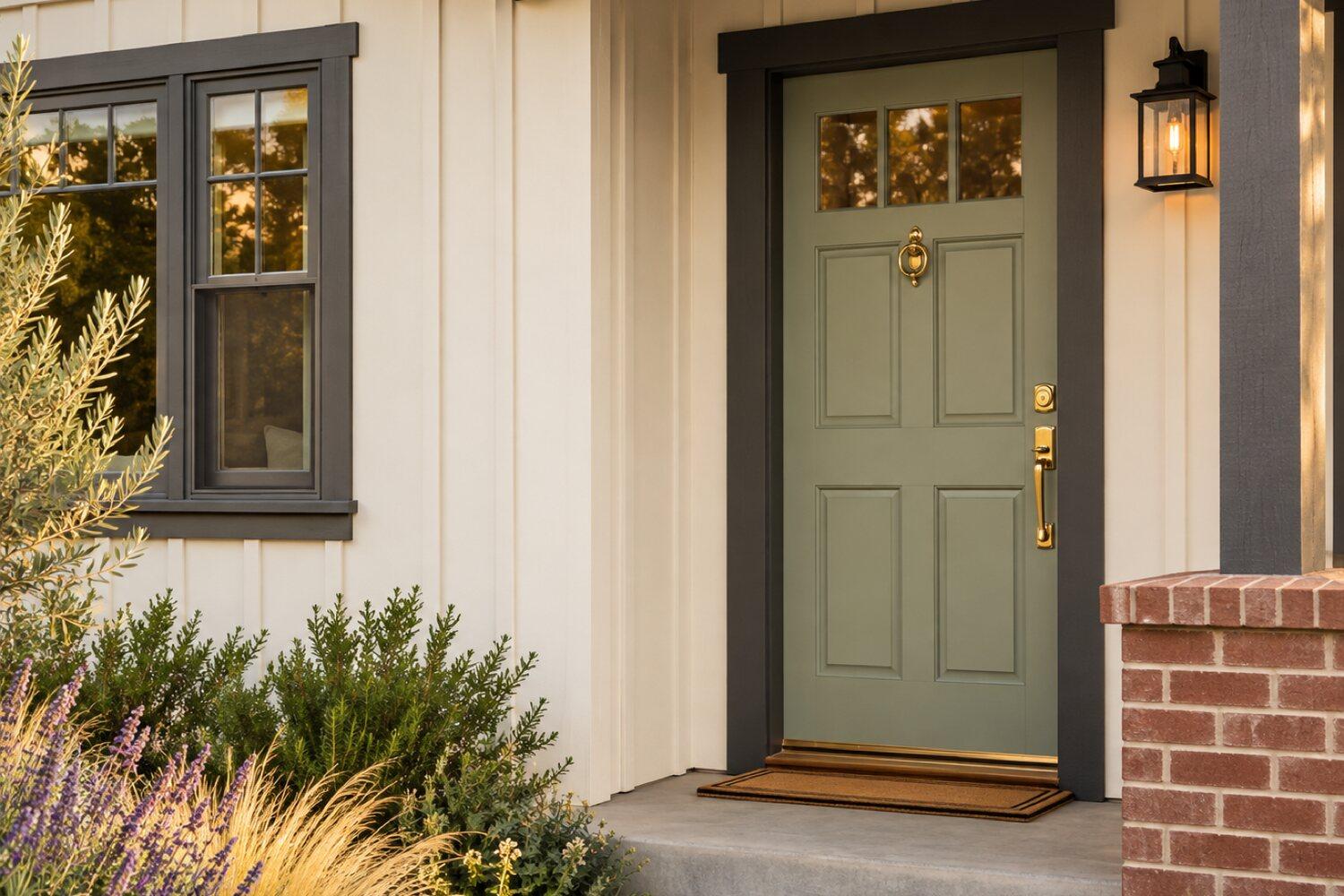
Keep a copy for your site visit or when comparing estimates.
Included in a written scope
- Pressure washing and scraping of loose or failed coating
- Repair of small wood or stucco defects and replacement of failed caulk
- Priming of bare wood, repairs, and stains
- Masking and protection of windows, fixtures, landscaping, and hardscape
- Finish coats on body and trim as written, with color and sheen confirmed before painting
- Daily cleanup and removal of masking at completion
Clarify before work starts
- Which surfaces are included: body, trim, doors, gutters, fences, and garage door
- How many finish coats and whether primer is a full coat or spot priming
- How rotted wood found during prep is handled and priced
- Whether color testing on the house is part of the scope
How a painting project works
The stages to discuss when planning your project.
Talk through the project
Tell us what you want to repair or update. A few details about the home and what you have noticed are enough to start.
Review the home and options
A site review identifies the work involved, checks the usual trouble spots, and covers the choices that fit your home.
Agree on the scope and schedule
Review what is included, what is not, and how changes are handled before any work is scheduled.
Walk through the result
Review the completed work together, along with the applicable care and warranty information for what was installed.
Painting questions from Folsom homeowners
Why is only the west side of my Empire Ranch house chalking and cracking?
West and south walls in Folsom take the full afternoon sun through summers that run past 100°F, so the coating on that elevation ages faster than the shaded north side; chalking is the binder breaking down under UV, and hairline cracking on stucco often follows the foam-trim joints and control joints. Compare all four elevations for coating condition, moisture and previous prep before choosing a system. Chalk is washed off and bound with a primer before topcoating; open cracks are sealed as prep. Any water entry or damaged backing found behind the cracks is priced as a repair, separate from the repaint.
Does my HOA in Broadstone have to approve a repaint in the same color?
Often yes, at least as a notice. Broadstone and the other Folsom associations with architectural review generally want to know before a repaint, and a close match to a faded original is not always treated as the same color. Check the current rules and submit the exact body, trim and accent finishes with manufacturer color codes where the committee asks for them; a brushed-out sample on the house settles most questions. The estimate should say who handles the submittal and that the schedule waits for written confirmation before material is ordered.
Can I change the color of my house in the Folsom Historic District?
Check with the City of Folsom before assuming a color-only repaint is exempt. Historic Folsom, the blocks around Sutter Street, is a designated historic district with design review through the Community Development Department, and the amount of review turns on whether the property is a listed historic resource and on what changes. A color change on an unlisted house may be a simpler question than new siding or altered trim, but the City gives the address-specific answer. Describe the actual scope, obtain any decision in writing, and keep design review separate from any building permit a repair might need.
My 1980s house near Lake Natoma has peeling paint on the north wall. Is that rot?
Not necessarily. North walls near Lake Natoma stay shaded and damp through the winter, and peeling there is more often a moisture-and-adhesion failure than decay: the film loses its grip on wood that never fully dries, or on an earlier coat that went over mildew. A probe of the peeled areas, the sills below them and any trim joints tells whether the wood underneath is still sound. Prep for a shaded wall includes a mildew wash and full drying time before primer. The proposal should separate coating preparation from confirmed wood repairs rather than pricing rot from the paint symptom.
Can you paint in a Folsom summer?
Yes, with the day planned around the heat. Folsom summers bring afternoon highs in the 90s and 100°F-plus days, and most exterior coatings list a maximum surface temperature and a humidity window, so the crew follows the shade: east walls early, west walls late or on a cooler day, and stucco checked with a surface thermometer before the roller goes on. A fixed daily cutoff is no substitute for checking the actual surface. The schedule should allow elevations to shift with conditions and state how prepped areas are protected between coats.
What does lead-safe painting add on an older Folsom home?
On homes built before 1978, which in Folsom means the Historic District, the postwar streets near Riley Street and Natoma Street, and a few 1970s homes, scraping and sanding fall under the EPA's Renovation, Repair and Painting Rule. The firm must be EPA-certified, give you the Renovate Right pamphlet, contain the work area with plastic and barriers, use wet scraping and HEPA cleanup, and document it. That adds setup and cleanup time and some cost. If lead-safe handling is absent from the proposal, request the applicable practices or the documented exemption before comparing totals.
Tell us about your Folsom painting project.
Share what you have noticed and what you would like to change. We'll review the details and contact you about the next step.
No budget, address, or photos needed to inquire.
Other exterior services in Folsom
- Siding replacement in FolsomExplore repair and replacement options for your home's exterior walls.
- Window & door replacement in FolsomFind an updated look and a fit that works for your home.
- Roof replacement in FolsomPlan the next step for a worn or damaged roof.
- Gutter installation in FolsomPlan how rainwater moves from the roof and away from the home.
- Dry rot & trim repair in FolsomAddress damaged wood and understand the work around it.