
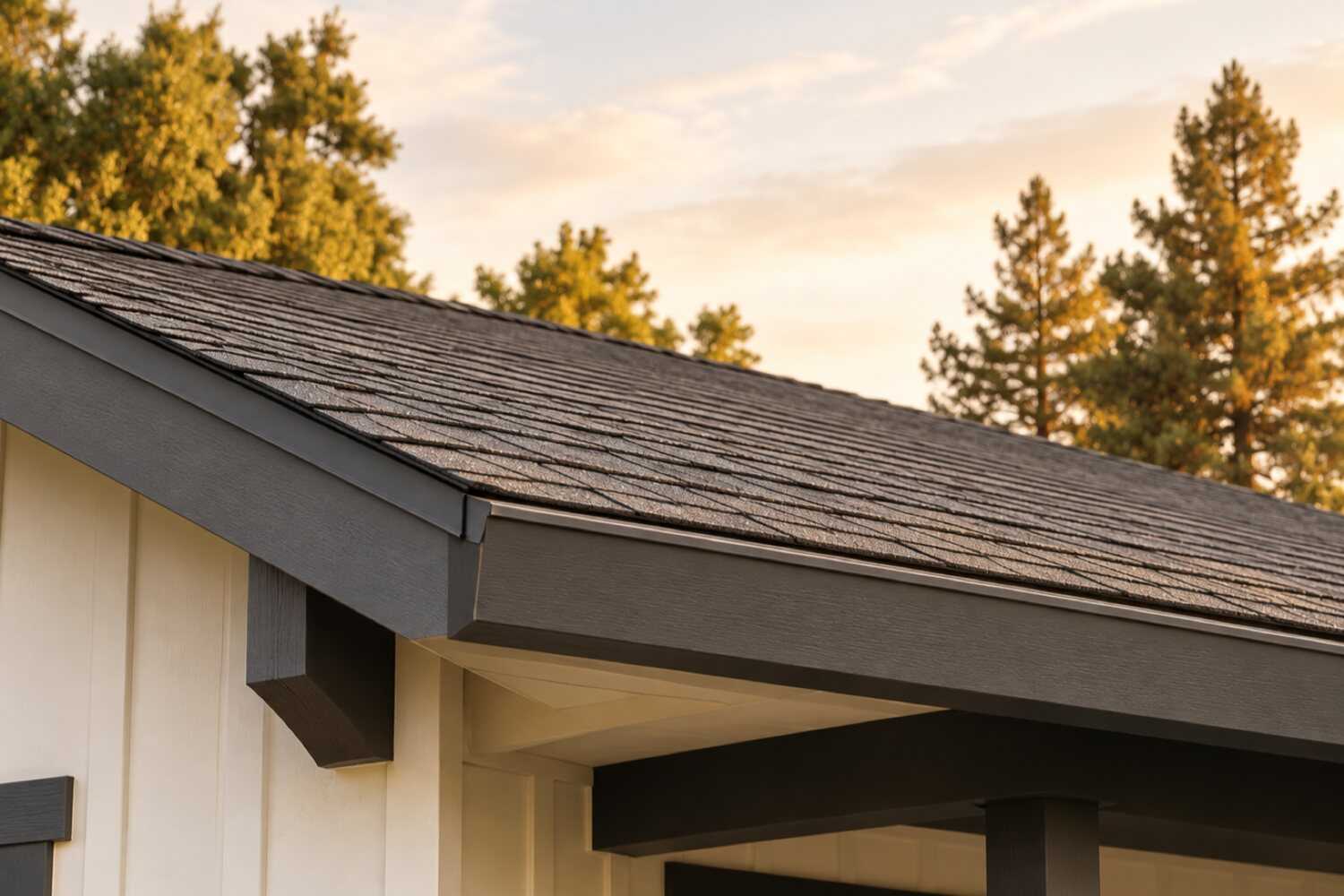
Roof replacement and repair in Rocklin, CA.
Rocklin roof planning should begin with the installed material, measured roof area and observed condition. If a tile roof is being considered for repair or relay, assess the tile, underlayment and flashing separately. Roof age alone does not say which part has failed or needs replacement.
What roof replacement costs in Rocklin
Published figures put a Rocklin reroof at about $14,000–$35,000 with a median near $22,000 (Pressler Home Performance, 2026), while homeyou's Rocklin calculator shows $6,274–$8,102 for a 1,282-square-foot shingle roof and HomeBlue lists $7,300–$11,500 for 1,500 square feet in Sacramento. Tile lift-and-relay, solar detach and reset, and cool-roof product are the local adders.
| Scope | Published range | What it usually includes |
|---|---|---|
| homeyou Rocklin shingle-roof calculation | $6,274–$8,102 for about 1,282 sq ft | The calculator’s roof-area example. HomeBlue separately publishes $7,300–$11,500 for a 1,500-square-foot Sacramento roof. Keep the roof sizes and source assumptions separate rather than combining their endpoints. |
| Pressler Rocklin replacement planning range | $14,000–$35,000; stated median about $22,000 | The roofer’s 2026 local guide. It separately discusses decking at $80–$150 per sheet and shingle costs at $350–$500 per square; verify which allowances are included in an actual quote. |
| Pressler material rates: tile and metal | $600–$1,000 per square tile; $800–$1,400 per square metal | Separate published roofing-material categories; a roofing square is 100 square feet. These are not a dedicated tile lift-and-relay rate. Tile reuse requires its own inspection and priced handling, underlayment and flashing scope. |
Ranges are published third-party figures, not 916 Exteriors prices; the written estimate is the only number that applies to your home.
How to compare these ranges
Roof size and scope differ across these sources; the homeyou calculator prices a specific 1,282-square-foot roof while Pressler’s Rocklin range covers whole replacements of unstated size, so a low calculator total is not a quote for the same house. On Stanford Ranch and Whitney Oaks hip roofs, measure valleys, penetrations and slopes as well as area.
On older composition roofs, document layer count and exposed-deck allowances. A tile relay needs a written breakage and matching plan, and solar work needs a detach/reset scope.
Confirm the applicable energy and fire provisions with the city and name compliant products where required. The regional roof cost guide explains how to compare these items.
Sources
Read next: How much does roof replacement cost in Rocklin?
What changes the price in Rocklin
- Tile breakage and battens on a relay
- Thirty years of foot traffic on Stanford Ranch tile means a real breakage count; the per-tile rate and any batten replacement are priced before the lift.
- Two-story hip roofs with dead valleys
- The 2000s plans in Whitney Oaks and Whitney Ranch have more valleys, more flashing, and more edge per square than a simple gable.
- Oak and pine debris and moss
- East-side roofs are cleaned and moss-treated before work starts, and valleys under canopy get wider metal and ice-and-water membrane.
- Class A assembly and ember-resistant vents
- Parcels in the northeast fire zones swap every vent and close the eave with bird stops, a per-vent and per-foot adder.
- Solar removal and reset
- A licensed solar contractor lifts and reinstalls the array on any roof that has one, common in Whitney Ranch and on 2000s tile.
- Second layers and skip sheathing on 1970s and 1980s comp
- Two-layer tear-offs and solid sheathing over shake-era skip boards add disposal and decking on the Springview and Clover Valley streets.
- Cool-roof product
- Where the Title 24 requirement applies, a rated tile or shingle costs more than the standard color.
Compare your roofing options
Choose two options to compare the upkeep, fit and installation details.
| Compare | Composition (asphalt) shingle | Concrete or clay tile |
|---|---|---|
| Appearance | Most common local look; many colors and profiles | Distinctive profile; common on stucco homes |
| Maintenance | Periodic inspection; debris and gutter cleaning | Underlayment eventually needs renewal beneath the tile |
| Where it fits | Sloped roofs; wide product range | Structure must carry the weight |
| Installation | Tear-off, underlayment, flashing, ridge and ventilation details | Often re-laid over new underlayment rather than replaced |
View all 4 options and planning notes
Composition shingle is the most common roof in the region and the least expensive to replace; it suits any sloped roof and comes in many grades. Concrete or clay tile is heavier, costs more, and is usually relaid over new underlayment rather than replaced. Standing-seam metal costs the most, lasts the longest, and suits ranch and modern styles. Low-slope sections, common over additions and porches, need a membrane rather than shingles.
| Option | Appearance | Maintenance | Where it fits | Installation notes |
|---|---|---|---|---|
| Composition (asphalt) shingle | Most common local look; many colors and profiles | Periodic inspection; debris and gutter cleaning | Sloped roofs; wide product range | Tear-off, underlayment, flashing, ridge and ventilation details |
| Concrete or clay tile | Distinctive profile; common on stucco homes | Underlayment eventually needs renewal beneath the tile | Structure must carry the weight | Often re-laid over new underlayment rather than replaced |
| Standing-seam metal | Clean vertical lines; wide color range | Low; fastener and sealant checks over time | Sloped roofs; suits modern and ranch styles | Panel fabrication and detailing require specialty work |
| Low-slope membrane | Flat or near-flat sections, usually not visible from the street | Keep drains clear; inspect seams | Porches, additions, and flat sections | Different materials and crews than sloped roofing |
Fire ratings, wind ratings, and warranty terms are published by each manufacturer and confirmed per product, not assumed here. Manufacturer names appear once 916 Exteriors confirms the products it installs and the licensing that applies.
Planning roofing work in Rocklin
Open the topics that apply to your property.
Roofing in Rocklin runs older and more tiled than its neighbor to the west and younger than the ones to the east. Roseville's Westpark and Fiddyment Farm tracts are younger than Stanford Ranch, so more of Roseville's reroofs are first-time comp swaps under Roseville Development Services, while Rocklin's are tile relays under the City of Rocklin Building Division. Loomis and Granite Bay sit under heavier oak canopy on bigger lots, with more shake-conversion roofs, more debris in the valleys and, in Granite Bay, Placer County as the permit authority. Rocklin's own signature is the 30-year concrete-tile hip roof over failed felt, with a mapped fire hazard zone along its Whitney Oaks and Clover Valley edge.
Compare nearby: Roof replacement in Roseville · Roof replacement in Granite Bay
Roof replacement for Rocklin homes
Rocklin is a concrete-tile city with a comp-shingle core. The 54% of homes built in the 1990s and 2000s (ACS 2020–2024) in Stanford Ranch, Whitney Oaks and Whitney Ranch went up with concrete S-tile or flat tile over asphalt felt on hip roofs, and at 25 to 35 years the tile is fine and the felt is not. The 1970s and 1980s streets around Springview Drive and the early Stanford Ranch phases are composition shingle, many on a second or third layer, and a few of the oldest houses in Old Town and Sunset Whitney still show the skip sheathing of a shake roof under later comp.
So the two common Rocklin roof jobs are opposites. On tile, the scope is a lift-and-relay: stack the tile, tear off the felt, replace the battens and flashing, lay a new synthetic underlayment, and reset the tile with a breakage allowance for the pieces that crack underfoot after three decades. On comp, it is a tear-off to the deck, with a per-sheet price for rotten plywood and, on the shake-era houses, solid sheathing over the skip boards before any new shingle goes on.
Both jobs get inspected. Reroofing needs a City of Rocklin permit, the underlayment and flashing are checked before they are covered, and in climate zone 11 a reroof that replaces more than half the roof may trigger the Title 24 cool-roof values, which the bid should address by product or by exception. On the east edge along Park Drive and Sierra College Boulevard the city's fire hazard map adds a Class A assembly and ember-resistant vent question, and solar arrays in Whitney Ranch and on 2000s tile come off and go back on as their own line.
The roofing service page lists what a complete scope includes and the regional roof cost guide sets the outside numbers. In Rocklin the estimate should state measured squares by slope, the number of valleys and penetrations, the tile breakage allowance or the tear-off layer count, and which product meets the cool-roof requirement.
Housing age and what to inspect
Housing age helps plan an inspection. The share of homes in each decade is census data; the notes describe materials and conditions to check at the property.
| Built | Share of homes |
|---|---|
| Before 1940 | 1% |
| 1950–1959 | 1% |
| 1960–1969 | 3% |
| 1970–1979 | 10% |
| 1980–1989 | 13% |
| 1990–1999 | 26% |
| 2000–2009 | 28% |
| 2010 and later | 18% |
Rocklin: 26,993 housing units, median year built 1998, median owner-occupied value $703,400, 68% owner-occupied. Source: U.S. Census Bureau, American Community Survey 2020–2024 5-Year Estimates, tables B25034 (year structure built), B25035 (median year built), B25077 (median value, owner-occupied), B01003, B25003 (ACS 2024 5-year).
- Before 1970pre-1970
- About 5% of Rocklin's roofs cover homes from before 1970 (ACS 2020–2024), the Front Street and Pacific Street houses and the Sunset Whitney ranch homes. Most of those started as wood shake on skip sheathing and were converted to comp decades ago, sometimes over the shake. A tear-off there finds 1x4 skip boards with gaps, sagging between rafters, and old chimney flashing set in mortar. The estimate carries solid sheathing over the skip boards by the sheet, new flashing at the chimney, and an allowance for rafter tails found rotten at the eave under the old gutters.
- 1970s and 1980s1970–1989
- About 23% of the housing is 1970–1989, the comp-shingle belt around Springview Drive, Midas Avenue and the first Stanford Ranch phases. These roofs are on a second or third layer of three-tab, low-slope garage sections often have a rolled roof patched with mastic, and the original vents are unbaffled. The scope is a full tear-off with the layer count stated on the bid, a per-sheet price for delaminated plywood, separate low-slope material for the flat sections, and new vents; a third layer over the old two is not a scope the estimate offers.
- 1990s1990–1999
- About 26% of homes are 1990s construction, most of it Stanford Ranch under concrete S-tile or flat tile on asphalt felt. The tile has 20 years left; the felt has cracked and slid at the eaves and the battens have rotted where debris held water. Leaks show at valleys, at skylight curbs and at the head wall where a two-story section meets a lower roof. A lift-and-relay with new synthetic underlayment, new battens and new flashings is the normal scope, priced with a breakage count and a tile-matching plan, because the original tile line is often discontinued.
- 2000s2000–2009
- About 28% of Rocklin roofs date from the 2000s, the Whitney Oaks and Whitney Ranch build-out: flat concrete tile on hip roofs with more valleys, dead valleys behind chimneys and more penetrations per square than the earlier plans, and many with a solar array set later. At 20 years the underlayment is still sound on most; the calls are for cracked tiles from foot traffic, a slipped valley metal or a leak at a solar standoff. The estimate should name the solar contractor for detach and reset, carry a per-tile price, and check any product warranty before a full relay is proposed.
- 2010 and later2010–present
- Roofs from 2010 on cover about 18% of the housing, mostly Whitney Ranch, and are inside their first underlayment life. Requests are a warranty leak at a flashing, a satellite or solar penetration done badly, or an owner adding solar who wants the tile under the array checked first. The estimate should say what was inspected and keep the roof's product documentation with the permit file.
Roofing by neighborhood in Rocklin
- Stanford Ranch
- Stanford Ranch is the 1980s-to-2000s master plan that holds most of Rocklin's 1990s tile roofs, so it is where the lift-and-relay over failed felt is the standard job. Hip roofs with two valleys per elevation and a two-story head wall are the norm; the estimate prices valleys and penetrations, not just squares, and names the breakage allowance.
- Whitney Oaks
- Whitney Oaks homes sit on rolling ground around the golf course under mature oaks, and the city's 2025 fire hazard map places the tract in High and Moderate zones. Roof scope there starts with clearing debris from valleys and behind chimneys, uses a Class A assembly with ember-resistant vents where the City confirms they apply, and stages the two-story rear slopes above the grade drop.
- Whitney Ranch
- Flat concrete tile, HOA review of roof color and more solar arrays per street than anywhere else in the city mark Whitney Ranch, the 2000s and 2010s master plan along Whitney Ranch Parkway. Most calls are a leak at a standoff or a cracked tile; a full relay is rare, and any work under an array is written with the solar contractor's detach and reset as its own line.
- Springview
- The 1970s and 1980s single-story houses around Springview Drive and Johnson-Springview Park are Rocklin's comp-shingle belt, many with a low-slope garage section. Tear-off with a stated layer count, low-slope material for the flat section, and plywood by the sheet is the job here.
- Sunset Whitney
- Low-pitch, wide-eave roofs from the late 1950s and 1960s are the rule in Sunset Whitney, the neighborhood around the former golf course, often comp over a converted shake deck under mature trees. Expect skip sheathing, rotten rafter tails at the eave, and moss on the north slope; the estimate carries solid sheathing and tail repair as unit prices.
- Old Town Rocklin
- Steep gable roofs from the quarry decades, with brick chimneys and additions at several pitches, sit on the Front Street and Pacific Street houses of Old Town. The job is a full tear-off to the original skip sheathing, new decking, and chimney flashing rebuilt in metal, with the Quarry District's design guidelines checked if the visible material changes.
- Clover Valley
- Heavy blue oak and live oak canopy and the High severity zone on the city's fire hazard map define Clover Valley, the valley along Clover Valley Road and Park Drive on the east edge. Roofs there hold leaves in every valley through winter and grow moss under the tile lips on the north slope, so a reroof begins with debris clearing, wider valley metal over a self-adhered membrane, and a Class A assembly question to the City.
Sun, rain, trees and site conditions
Rocklin sits in climate zone 11 at about 250 feet, where valley heat meets the first foothill oaks. Summer runs weeks in the 90s with 100-degree stretches, and the south and west slopes take it: comp shingle on those slopes loses granules and curls first, tile underlayment cooks under the tile and cracks at the eave where it is exposed, and the sealant at every pipe boot and skylight curb fails. The cool-roof requirement exists because of those roofs; on a reroof that replaces more than half the surface, the bid names a rated product or the exception it claims.
Winter is a few atmospheric-river storms between November and March that drop inches of rain in a day, and that is when the failed felt under a 1990s Stanford Ranch tile roof finally shows at a ceiling. Valleys and dead valleys behind chimneys carry the most water and fail first. Under the oak and gray-pine canopy in Whitney Oaks, Clover Valley and Sunset Whitney they also carry a season of leaves, so a roof there gets cleared and treated before work starts and the valleys get wider metal on a self-adhered membrane.
The city adopted CAL FIRE's fire hazard severity zones in 2025, with High and Moderate zones along the eastern edge by Park Drive and Sierra College Boulevard and a Moderate band on the north edge near University Avenue. For a reroof in those zones, ask the City of Rocklin which provisions of the current wildland-urban-interface code apply to the parcel and scope; a Class A assembly is standard on most new roofing anyway, and ember-resistant vents and eave closures are priced as their own lines once the City confirms they apply.
Permits and approvals
Reroofing in Rocklin needs a building permit from the City of Rocklin Building Division; a reroof is not on the city's list of permit-exempt residential projects, which is limited to painting and finish work, small sheds, low fences and the like. The permit is filed through eTRAKiT, and it is how the underlayment and flashing get inspected before the tile or shingles cover them. The licensed contractor pulls it and schedules the inspections; a homeowner who pulls the permit becomes the owner-builder under California law and takes on that responsibility. Current fees and inspection steps come from the Building Division at 3970 Rocklin Road.
Title 24, Part 6 applies to reroofs. In climate zone 11, replacing more than half of a roof can trigger the prescriptive cool-roof requirements for aged solar reflectance and thermal emittance, with exceptions that depend on the roof type and the attic. The estimate should say whether the chosen product meets the requirement or why an exception applies, and the California Energy Commission publishes the standard. On the parcels the city's 2025 fire hazard map places in a Moderate or High zone, the Building Division applies whatever provisions of the wildland-urban-interface code (Title 24, Part 7) reach the reroof through the same permit, so ask before the material is ordered.
Whitney Oaks, Whitney Ranch, and parts of Stanford Ranch have HOA architectural review that covers roof material and color; a like-for-like relay in the same tile normally passes without a submittal, a change of tile or a switch to comp does not. Rocklin is PG&E territory, and a reroof that touches the service mast or works within reach of the service drop follows the utility's clearance rules. Solar arrays are removed and reset by a licensed solar contractor, which is written as its own line.
Permit authority: City of Rocklin Building Services . Whether a permit or review applies, and who pulls it, is written into the estimate.
Seeing something on your own house? Request an estimate for roofing in Rocklin
Repair or replace?
A roof with years left can still leak at one bad flashing. A roof at the end of its life may look fine from the street. The decision rests on condition, not just age.
Not sure which applies? Tell us what you are seeing and request an estimate for roofing.
What the scope includes
A complete estimate names the work, materials and exclusions so you can compare proposals.
Keep a copy for your site visit or when comparing estimates.
Included in a written scope
- Tear-off and disposal of existing roofing to the sheathing where replacement is planned
- Inspection of sheathing, with replacement priced as a separate line per sheet
- Underlayment, drip edge, and flashing at walls, chimneys, vents, and valleys
- New roofing installed to the product's published instructions
- Ridge, ventilation, and pipe boots as specified
- Magnetic nail sweep of the yard and driveway and daily cleanup
Clarify before work starts
- How sheathing replacement is priced and approved during the job
- Whether gutters are removed and reinstalled or replaced as part of the work
- How skylights, solar mounts, and satellite dishes are handled
- Permit requirements and who is responsible for inspection scheduling
How a roofing project works
The stages to discuss when planning your project.
Talk through the project
Tell us what you want to repair or update. A few details about the home and what you have noticed are enough to start.
Review the home and options
A site review identifies the work involved, checks the usual trouble spots, and covers the choices that fit your home.
Agree on the scope and schedule
Review what is included, what is not, and how changes are handled before any work is scheduled.
Walk through the result
Review the completed work together, along with the applicable care and warranty information for what was installed.
Roofing questions from Rocklin homeowners
My Stanford Ranch tile roof is leaking but the tile looks fine. Do I need a new roof?
Probably not a new roof, but likely a new underlayment. On a 1990s Stanford Ranch house the concrete tile is a 50-year product and the asphalt felt under it is not; at 25 to 35 years the felt cracks at valleys, around penetrations and behind chimneys, and that is where the water shows up at a ceiling while the tile above looks untouched. A single leak at one valley can be repaired locally. When more than one area is failing, the answer is a lift and relay: the tile comes off, new synthetic underlayment and flashing go down, and the same tile goes back with a priced breakage allowance.
Does a reroof in Rocklin need a permit and inspection?
Yes on both. Reroofing is not among the projects the City of Rocklin Building Division lists as permit-exempt, so a residential reroof or tile relay is filed through the city's eTRAKiT system and inspected, normally at the underlayment and flashing stage before the tile or shingles cover it, and again at completion. The licensed contractor pulls the permit and calls for the inspections; a homeowner who pulls it becomes the owner-builder under California law. If the tear-off finds rotten decking or rafter tails, that repair is added to the same permit, and the estimate should carry a unit price for it.
Does Rocklin's climate zone require a cool roof?
It can. Rocklin is in Title 24 climate zone 11, and the prescriptive standards set aged solar reflectance and thermal emittance minimums for steep-slope reroofs that replace more than half the roof, with exceptions that depend on the roof type, attic insulation, and other factors. Many tile and architectural shingle lines have rated colors that meet it. The estimate should say whether the product meets the cool-roof values or which exception applies, and the California Energy Commission publishes the current standard. Do not accept a bid that is silent on it.
What roofing rules apply near the fire zones on the northeast side of Rocklin?
The city's 2025 fire hazard severity map puts parts of Whitney Oaks and Clover Valley in Moderate and High zones, where the wildland-urban-interface code (Title 24, Part 7) can set the roof assembly at Class A, require ember-resistant vents, and call for a closed eave or bird stops at the first tile course. Concrete tile and most architectural shingles are already Class A; the adders are the vents and the eave details. Which provisions reach an existing house's reroof is the City of Rocklin Building Division's call for the address, so the estimate should name what is required and price further hardening as an option.
How do oak and pine trees change a roof job in Rocklin?
They add cleanup, moss treatment, and heavier valley detailing. On Whitney Oaks and Clover Valley roofs, leaves and needles pack into valleys and behind chimneys and hold water on the underlayment all winter, and north slopes under canopy grow moss under the tile lips. A roof scope there starts with clearing and treating the roof, uses wider valley metal with a self-adhering membrane under it, and closes the eave with bird stops so debris stops collecting under the first course. Trimming branches back off the roof is worth doing before the crew arrives.
Can I put new shingles over the old ones on my 1980s Rocklin house?
Only if there is a single layer now, and many 1980s comp roofs around Springview Drive are already on their second. The California Residential Code allows a new layer over one existing layer of shingles in sound condition; two or more layers must come off, and so must any comp that was laid over the original shake, which is common on Rocklin's older streets. Even where an overlay is allowed, it hides the deck, adds weight, and shortens the life of the new shingle. The estimate should state the layer count found on the roof and, for a tear-off, carry solid sheathing over any skip boards by the sheet.
Tell us about your Rocklin roofing project.
Share what you have noticed and what you would like to change. We'll review the details and contact you about the next step.
No budget, address, or photos needed to inquire.
Other exterior services in Rocklin
- Siding replacement in Rocklin, CAExplore repair and replacement options for your home's exterior walls.
- Window & door replacement in Rocklin, CAFind an updated look and a fit that works for your home.
- Exterior painting in Rocklin, CARefresh the finish, starting with the preparation underneath.
- Gutter installation in Rocklin, CAPlan how rainwater moves from the roof and away from the home.
- Dry rot & trim repair in Rocklin, CAAddress damaged wood and understand the work around it.